Sociological Perspectives on Same-Sex Marriage
Cultural, religious, and political factors impact societal perspectives on same-sex marriage. Over the past few decades, social acceptance of same-sex marriage has increased in several Western nations, especially in North America and Europe.
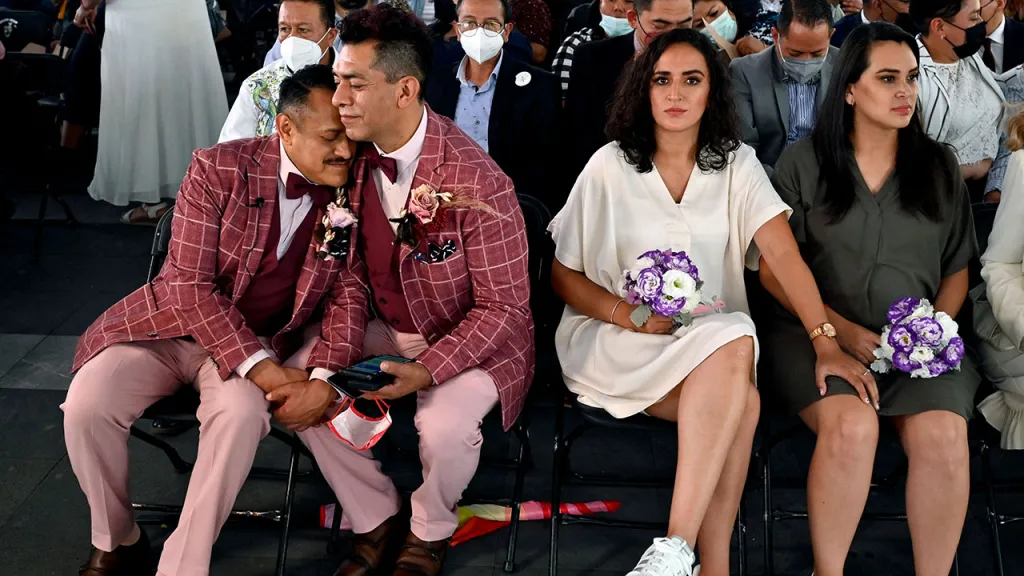
The issue is frequently presented as a matter of civil rights and equality by those who advocate for same-sex marriage. According to them, the principles of justice and fairness are violated when same-sex couples are denied the opportunity to marry. The benefits of marriage, which should be available to everyone regardless of sexual orientation, are also emphasized by supporters. These include tax benefits, legal protections, and social recognition.
Conversely, religious or cultural beliefs are frequently the source of opposition to same-sex marriage. As a sacred union between a man and a woman, many religious groups consider the legalization of same-sex marriage a challenge to traditional values. According to some, same-sex marriage could cause larger societal changes that they view as negative, and thus undermine the institution of marriage itself.
Same-sex marriage is frequently met with strong opposition in countries where traditional values are strongly rooted. Homosexuality may be stigmatized in these societies, and the notion of same-sex marriage may be perceived as an insult to religious or cultural conventions. Political leaders, who seek conservative voters’ support through their opposition to same-sex marriage, frequently bolster this opposition.
Same-Sex Marriage and its Legal Status
Internationally, same-sex marriages have different legal status. More than 30 countries—the United States, Canada, and a lot of European countries—will allow same-sex marriage to be legal by 2024. Same-sex couples have the same rights and responsibilities as heterosexual couples as a result of this legal recognition. These include the ability to adopt children, obtain spousal benefits, and make medical decisions for one another.
Legal battles, public referendums, and changes in public opinion have frequently shaped the path to legalization in these countries. For instance, in 2015, the Supreme Court’s decision in Obergefell v. Hodges made same-sex marriage legal in the United States. Decades of activism and legal struggles led to this monumental decision.
Conversely, many countries, especially in Africa, the Middle East, and some parts of Asia, criminalize homosexual relationships and do not accept same-sex marriages. The fight for same-sex marriage rights is confronted with significant societal and legal barriers in some areas; these include a lack of legal protections, widespread social stigma, and laws that forbid homosexuality.
Activists, legislators, and the judiciary often engage in complicated negotiations on the way to legal recognition of same-sex marriage. Courts have played an essential role in promoting marriage equality in some circumstances; in other instances, however, legislative bodies have passed laws in response to changing public opinions.
The Global View:
With an increasing number of jurisdictions and countries moving toward legalization, the global view on same-sex marriage is changing gradually. Nevertheless, this advancement is not uniform, and the matter continues to be highly polarizing in many countries around the world.
Human rights organizations and international organizations keep pushing for same-sex marriage to be acknowledged as a basic human right. This is nevertheless a difficult task because of the conflict between international human rights norms and regional cultural values.
In conclusion, one issue that perfectly represents the continuous fight for equality and human rights is same-sex marriage. There is a global trend towards increased acceptance and legalization, despite significant regional variations in public viewpoints and legal statuses. The way this issue has developed is a reflection of larger changes in how society views gender, sexuality, and people’s freedom to love and marry whoever they choose.