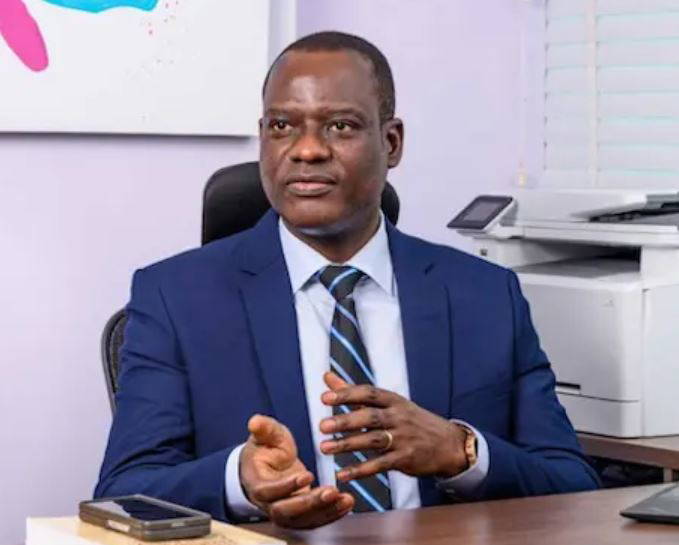
Oyedele made the statement on Monday during a press briefing at the International Monetary Fund and World Bank Annual Meetings in Bangkok, Thailand, as debate over the removal of petrol subsidy continues to intensify ahead of the 2027 general elections.
According to the minister, any indication that the Federal Government intends to reverse its economic reforms could weaken investor confidence, encourage capital flight and increase pressure on the foreign exchange market.
He explained that foreign investors and wealthy Nigerians could respond to uncertainty by moving their funds into dollars, increasing demand for foreign currency and putting further pressure on the naira. He also warned that such a development could raise import costs, airfares and the prices of essential goods, potentially worsening the economic hardship faced by households.
Oyedele maintained that the government would not reverse its economic reforms, insisting that the removal of petrol subsidy was necessary to address the country’s fiscal challenges. He also clarified that the Nigerian National Petroleum Company Limited’s temporary reduction in petrol retail margins should not be regarded as a return to subsidy, describing it instead as a commercial decision.
However, the minister’s projections have drawn criticism from the African Democratic Congress (ADC) Presidential Campaign Council, which has challenged the government to provide the economic models and evidence supporting the ₦4,000-per-dollar forecast.
The ADC accused the government of using alarming projections to discourage public debate about restoring fuel subsidy. The party argued that Nigerians deserve transparent explanations of the potential economic consequences of the policy rather than predictions without publicly presented supporting calculations.
The controversy comes amid continued concerns over petrol prices, transportation costs and the rising cost of living. Supporters of subsidy removal argue that it protects public finances and encourages market efficiency, while advocates of reinstatement say government intervention could provide relief to struggling households.
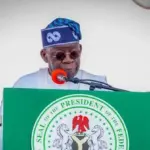
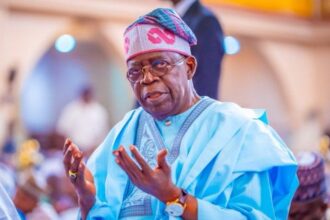
President Bola Tinubu has also reiterated that he has no regrets about removing the subsidy, maintaining that the country must continue with its economic reforms rather than return to the previous system.
The debate now centres on whether maintaining the current policy or reintroducing some form of fuel subsidy would better balance economic stability, government spending and the financial pressures facing ordinary Nigerians.
Oyedele’s ₦4,000-per-dollar figure remains a projection of a possible outcome if subsidy is restored, not the current exchange rate or a confirmed forecast of what will happen.