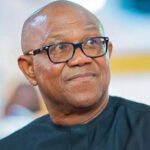
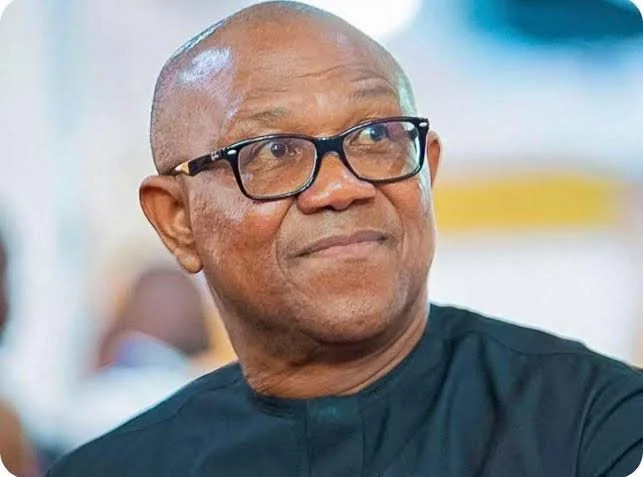
Speaking during a BBC interview, Obi attributed the issues with the subsidy regime to widespread corruption, emphasizing that any reinstatement would be contingent on eliminating corrupt practices associated with it. Previously, during his 2023 campaign, he pledged to redirect funds from the subsidy towards critical national sectors, such as education, healthcare, and infrastructure.
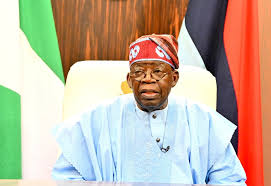
This recent shift in stance follows comments from his running mate, Dr. Rabiu Kwankwaso, who suggested that an NDC government would reinstate the subsidy in a modified form tailored to avoid the failings of previous implementations. Kwankwaso criticized the abrupt removal of the subsidy by President Bola Tinubu in May 2023, which has since sparked significant economic turmoil and public outcry.
Obi reiterated his commitment to an anti-corruption strategy that would focus on the integrity of the President and his family, arguing that transparency at the highest levels could significantly reduce corrupt practices. He dismissed suggestions that he should step aside for another candidate within the opposition for the 2027 election, insisting that uniting under a shared goal to gain victory is paramount.
Furthermore, when questioned about the anti-corruption legacy of former President Muhammadu Buhari, who had also run on a similar platform, Obi argued that the success or failure of such initiatives should not weigh heavily on voters’ decisions, distinguishing his potential presidency with a pledge of personal accountability. This nuanced positioning reflects a broader strategy to reshape perceptions of subsidy policies and corruption in Nigerian governance.