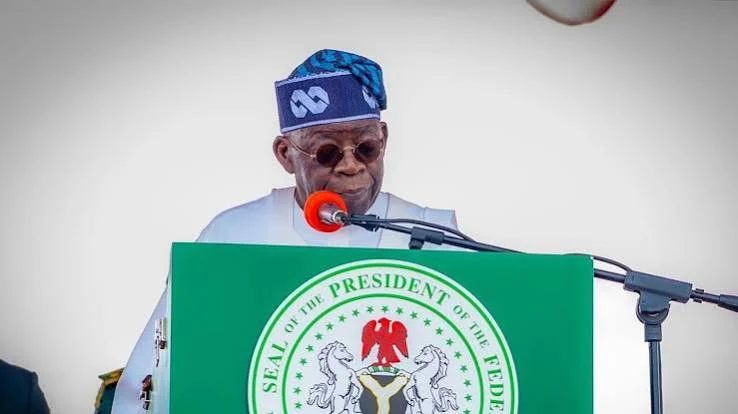
He likened the reforms to treating a cancer patient, suggesting that past leaders opted for comfortable, short-term solutions instead of confronting underlying issues. Tinubu warned against calls from figures like former Vice President Atiku Abubakar for a return to fuel subsidies in the run-up to the 2027 general election, encouraging Nigerians to resist what he termed the “siren song” of reverting to past practices.
Tinubu asserted that his administration’s reforms did not create Nigeria’s economic troubles but rather tackled issues that previous governments had postponed. He claimed that under his leadership, the economy has grown by over 4% in 2026, with both oil and non-oil sectors contributing to this recovery. Highlights of his speech included a decline in oil theft, falling inflation, rebuilt foreign reserves, and high revenues from non-oil exports exceeding $6 billion in 2025. Tinubu remarked that international observers have recognized these reforms as strengthening the country’s economic resilience and stability.
The President stated that the focus has shifted from merely correcting economic issues to delivering “shared and widespread prosperity” for Nigerians. He painted a vision of prosperity that includes farmers earning decent returns, businesses having reliable power, and young people finding employment.
Addressing the high cost of living, Tinubu pledged to lower production costs by improving agricultural practices, transportation, and infrastructure to ensure efficiency in the supply chain. He expressed a commitment to prioritize jobs and industrial growth by harnessing domestically sourced gas for energy, reviving factories, enhancing connectivity, and investing in skills development.
Acknowledging urgent economic needs, Tinubu discussed enhancing direct support to impoverished households through improved welfare initiatives, including the Nigerian Education Loan Fund, which aims to assist low-income families access higher education, and CREDICORP, offering consumer credit for essential purchases. He reiterated that while these programs provide immediate relief, they are a bridge to a long-term goal of eradicating poverty.
Closing his address with a biblical reference, Tinubu compared Nigeria’s economic recovery to the Israelites’ exodus from Egypt, asserting that the country has successfully navigated its challenges and is poised for progress. He emphasized a forward-looking approach, underlining the necessity to avoid retrospective contemplation as Nigeria aims for a prosperous future ahead. The speech emerges amid ongoing public dissatisfaction regarding living costs and political maneuvering in anticipation of the upcoming 2027 elections, with subsidy policy already a contentious issue.