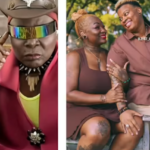
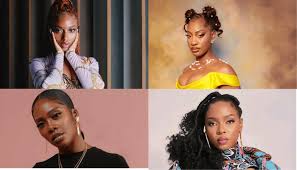
There’s something magical about the voice of a woman in song. In Nigeria, that magic has moved from being background harmony to leading chorus, raw, powerful, and unafraid. For decades, the Nigerian music industry was a boy’s club. But today, women are stepping into the spotlight, not just to sing, but to tell stories we’ve long needed to hear. When Tems sings in her smoky, soul-soaked voice, or when Simi pours her heart into a melody about motherhood or love, you don’t just hear a song, you feel seen.
It hasn’t been easy. Long before Afrobeats hit global airwaves, legends like Onyeka Onwenu and Christy Essien Igbokwe were already paving difficult roads. They sang not just for entertainment, but for justice, for women’s rights, for national healing, for dignity. These women faced mockery, censorship, and sexism, but still stood firm, holding microphones like weapons of peace. They were among the first to teach Nigerians that a woman could lead with her voice and not apologize for it.
Now, a younger generation is picking up where they left off. Tiwa Savage blends bold sensuality with motherly warmth. Yemi Alade’s voice carries the strength of a thousand African aunties. Tems doesn’t just make music she builds a universe of her own. Ayra Starr, Bloody Civilian, FAVE, these young women are no longer waiting for permission to shine. Their lyrics speak of love, pain, anger, joy, and freedom. They reflect the woman in the market, the girl with dreams in her hostel room, the mother nursing a child and holding a job. Their music sounds like us, real, flawed, rising.
Yet, the journey remains steep. Many still get paid less than male peers. Some are silenced by producers, reduced to background dancers in their own stories. Others face online bullying for wearing too little or singing too boldly. But what makes this moment special is that these women are no longer walking alone. They are forming sisterhoods. They are mentoring. They are calling out injustice, loudly. They are letting younger girls know: “Your voice matters. Use it.”
What we are witnessing isn’t just a musical shift, it’s a cultural awakening. Nigerian women are not just singing, they are healing wounds, reclaiming stories, and holding up mirrors to society. Their voices are the soundtrack of survival and joy. And as they rise, so do we all, because every woman who finds her voice helps another woman find hers too. And that, in itself, is a revolution.