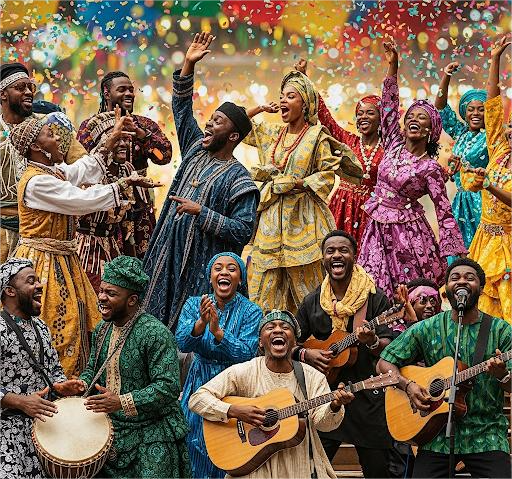
Nigerians have always known how to make the world pay attention through music, dance, laughter, and bold fashion statements. Today, it’s not just Afrobeats echoing in clubs from London to Seoul, or Nollywood movies trending on Netflix. It’s a cultural wave that has moved beyond entertainment and into the realm of national branding. But with global eyes now locked on the creativity flowing out of Lagos, Abuja, and Warri, an urgent question rises: can Nigeria move from just serving vibes to strategically using entertainment as a diplomatic and economic tool? The answer could redefine how the world sees Nigeria and how Nigeria sees itself.
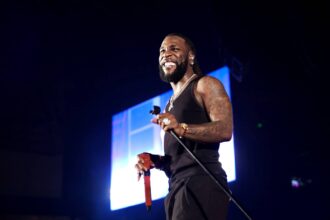
Take music, for example. Burna Boy sells out Madison Square Garden. Tems wins a Grammy. Davido performs at the FIFA World Cup. These aren’t just personal wins they’re national symbols. Every stage performance carries with it not just a beat, but a story: of resilience, rhythm, and relevance. Yet, beyond the applause lies a missed opportunity. Other countries have turned their pop culture into powerful tools of diplomacy. Think South Korea with K-pop or India with Bollywood. Nigeria, despite its cultural explosion, hasn’t fully backed its artists as ambassadors. There’s no cultural export policy, no official support system to help creatives access international platforms with government protection and pride. It’s like having gold but no vault.
Nollywood, one of the largest film industries in the world, produces thousands of movies annually. But how many of these stories reflect a deliberate image of Nigeria’s values, history, or progress? Instead, the world often consumes chaotic narratives that, while entertaining, may reinforce stereotypes of dysfunction or moral confusion. What if the government collaborated with filmmakers to tell stories of innovation, heritage, and healing? What if Nollywood was funded not just as a business, but as a mirror of identity and a window into Nigeria’s soul? Films could become soft power tools redefining how tourists, investors, and foreign media understand Nigeria.
Then there’s fashion and comedy, two pillars of cultural expression often overlooked in diplomatic strategy. Nigerian fashion designers are shaping red carpets and fashion weeks with fabrics and styles deeply rooted in identity. Comedy, especially on digital platforms, is telling unfiltered Nigerian stories in ways that resonate globally. Skit makers like Sabinus or Taaooma now have more international reach than many public figures. If these cultural voices were recognized and integrated into national branding campaigns appearing at embassies, conferences, UN events they could help counterbalance political instability with cultural credibility.
The challenge, however, lies in structure. Nigeria cannot brand itself through entertainment without investment, coordination, and vision. Creatives need international visa support, legal protections, cultural attachés at embassies, and marketing budgets that treat them not just as entertainers, but as cultural assets. Branding Nigeria isn’t just about good PR. It’s about shaping narratives that move minds and open markets. It’s about a young girl in Finland discovering Nigeria through a Kunle Afolayan film, or a policymaker in Canada softening his stance because his daughter loves Rema. The power is already there. What’s missing is the strategy. And until that gap is closed, Nigeria may keep exporting vibes but never fully own the voice behind them.