- ALIKO DANGOTE
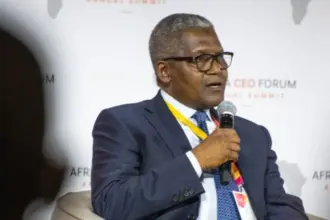
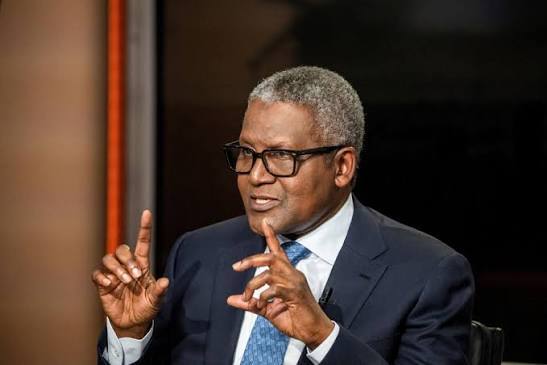
In his home country of Nigeria, Aliko Dangote built the largest oil refinery in Africa. According to him, the east African counterpart will be larger than any in Europe, with a daily capacity of 700,000 barrels.
It is being constructed near Lamu, on the Indian Ocean coast, where Kenya is also building a large port. A nearby neighbourhood has already filed a lawsuit against the project on land rights. The groundbreaking may proceed, but the case will continue, according to a court decision released on Monday.
Concerns about its effects have also been voiced by Greenpeace and other environmentalists. “There’s actually no problem with these sort of cases,” Dangote told reporters on Tuesday, dismissing the challenges. Some people are opposed to Africa’s progress.
Lamu was “much better,” according to Dangote, with “better, cleaner water,” “solid land,” and a “deep sea area.” Tanzania and the Kenyan port city of Mombasa had been suggested as potential sites for the refinery. A 1,000 megawatt power plant would also be part of the refinery, he claimed, with half of the output returning to the Kenyan grid.
Dangote presented the refinery as an essential step in Africa’s efforts to lessen its need on foreign expertise and gasoline imports.
The majority of African nations will be fuel self-sufficient by 2030. It is the African continent.
He said, “You don’t have to go and bring Chinese or Indians and build it for you if anybody is doing a big project going forward.”
Given that east African nations are only now beginning to discover and exploit substantial reserves, there have been concerns regarding where the new refinery will obtain the crude oil to refine.
According to Dangote, it would get crude from other sources, such as the United States and the Middle East, and it would be prepared when nations like Kenya, Tanzania, and Mozambique begin to produce more.
Will we hold off on making decisions until (Africa) has 25% of the world’s population? We have to start tackling that issue today,” he said, highlighting US President Donald Trump’s threats to stop exporting diesel.
He argued that Africa will be a minor fraction of a small part of the demand.
“700,000 barrels per day is actually quite little. It’s a start-up, but it’s a large refinery and a significant investment for the area,” he stated.