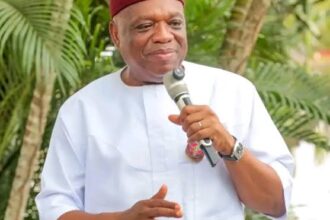
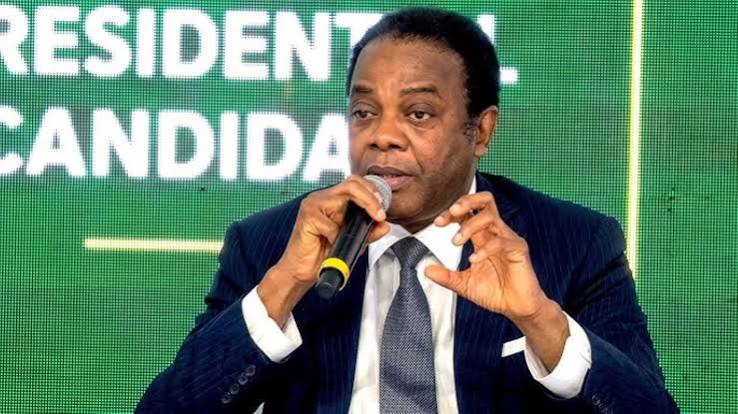
In a discussion on the Policy Without Politics podcast, Duke highlighted that Nigeria’s progress has stagnated despite two decades of democratic governance since the military era ended with former President Olusegun Obasanjo’s leadership. He argues that, unlike the relatively stable economic conditions during former President Shehu Shagari’s administration in the early 1980s, Nigeria currently suffers from poor economic management, despite significant population growth from about 70 million to an estimated 200-250 million.
Duke pointed out that while the annual budget has remained approximately $25 billion, the currency has depreciated drastically—from N1 to $1 in the 1980s to around N1,400 to a dollar today. He contended that this economic downturn is linked to increasing security threats, asserting that issues like Boko Haram, banditry, and kidnapping are fueled by economic distress rather than purely ideological motives.
He stressed that effective governance should be aimed at enhancing citizens’ productivity, stating that the primary role of government is to create conditions that enable individuals to thrive. Rather than evaluating the economy through foreign reserves, Duke believes a more accurate measure of progress is the employment rates and overall productivity of the populace. He asserts that all government policies, particularly in education, should focus on boosting productivity and should reflect a commitment to the economic empowerment of Nigerians.