This initiative is characterized as a component of ongoing immigration enforcement efforts. While the list has been published, U.S. authorities have refrained from specifying the timeline for the deportation of the individuals involved or detailing the specific offenses for which they were convicted. The statement highlighted the DHS’s collaboration with U.S. Immigration and Customs Enforcement (ICE) in identifying individuals classified as serious criminal aliens. Furthermore, the announcement underscores the administration’s commitment to mass deportations, initiated through the identification of those deemed the most serious offenders. This action aligns with the broader immigration policy goals set by the Trump administration, focusing on enforcing the removal of illegal aliens identified by DHS and ICE.
The published list includes Sunday Adediora, Sunday Kunkushi, Mkpouto Etukudoh, Marcus Unigwe, Olaniyi Ojikutu, Boluwaji Akingunsoye, Ejike Asiegbunam, Emmanuel Mayegun Adeola, Bamidele Bolatiwa, Ifeanyi Nwaozomudoh, Aderemi Akefe, Solomon Wilfred, Chibundu Anuebunwa, Joshua Ineh, Usman Momoh, Oluwole Odunowo, Bolarinwa Salau, Oriyomi Aloba, and others.
Others listed are Oludayo Adeagbo, Olaniyi Akintuyi, Talatu Dada, Olatunde Oladinni, Jelili Qudus, Abayomi Daramola, Toluwani Adebakin, Olamide Jolayemi, Isaiah Okere, Benji Macaulay, Joseph Ogbara, Olusegun Martins, Kingsley Ariegwe, Olugbenga Abass, Oyewole Balogun, Adeyinka Ademokunla, Christian Ogunghide, Christopher Ojuma, Olamide Adedipe, Patrick Onogwu, Olajide Olateru-Olagbegi and Omotayo Akinto.
Also on the list are Kenneth Unanka, Jeremiah Ehis, Oluwafemi Orimolade, Ayibatonye Bienzigha, Uche Diuno, Akinwale Adaramaja, Boluwatife Afolabi, Chinonso Ochie, Olayinka A. Jones, Theophilus Anwana, Aishatu Umaru, Henry Idiagbonya, Okechukwu Okoronkwo, Daro Kosin, Sakiru Ambali, Kamaludeen Giwa, Cyril Odogwu, Ifeanyi Echigeme, Kingsley Ibhadore, Suraj Tairu, Peter Equere, Dasola Abdulraheem, Adewale Aladekoba and Akeem Adeleke.
The list further includes Bernard Ogie Oretekor, Abiemwense Obanor, Olufemi Olufisayo Olutiola, Chukwuemeka Okorie, Abimbola Esan, Elizabeth Miller, Chima Orji, Adetunji Olofinlade, Abdul Akinsanya, Elizabeth Adeshewo, Dennis Ofuoma, Quazeem Adeyinka, Ifeanyi Okoro, Oluwaseun Kassim, Olumide Bankole Morakinyo, Abraham Ola Osoko, Oluchi Jennifer and Chibuzo Nwaonu.
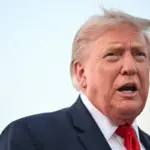
The recent actions taken by President Donald Trump, following his re-election and return to office on January 20, 2025, align with his administration’s strict immigration enforcement policies. Immediately upon resuming his presidency, Trump declared illegal immigration a national emergency and issued a series of executive orders focused on strengthening border security and expediting the deportation process for undocumented migrants.
A key executive order, titled “Protecting the American People Against Invasion,” emphasizes prioritizing the arrest and removal of deportable migrants deemed as threats to public safety and national security. The Department of Homeland Security (DHS) supports this directive, stating it fulfills Trump’s campaign promise to conduct mass deportations, particularly targeting the so-called “worst of the worst” criminal offenders. This initiative is further reinforced by instructions for U.S. Immigration and Customs Enforcement (ICE) to enhance their enforcement operations across the country against non-citizens with serious criminal convictions.
White House Press Secretary Karoline Leavitt has reiterated the administration’s commitment to maintaining U.S. immigration laws and focusing on undocumented immigrants with criminal records, in alignment with Trump’s broader immigration agenda. According to official U.S. immigration data, Guatemala has the highest number of deportees since the ramp-up of enforcement efforts, followed by countries like Honduras, Mexico, and El Salvador.
Additionally, deportation flights have expanded to various regions, including Africa, Asia, and the Caribbean, indicating a broadening scope of the enforcement strategy. Meanwhile, Nigeria has faced increased scrutiny, with the Trump administration imposing partial visa restrictions in June due to issues related to identity management, information sharing, visa overstay rates, and security screening, highlighting the administration’s ongoing concerns with immigration management from specific nations.