
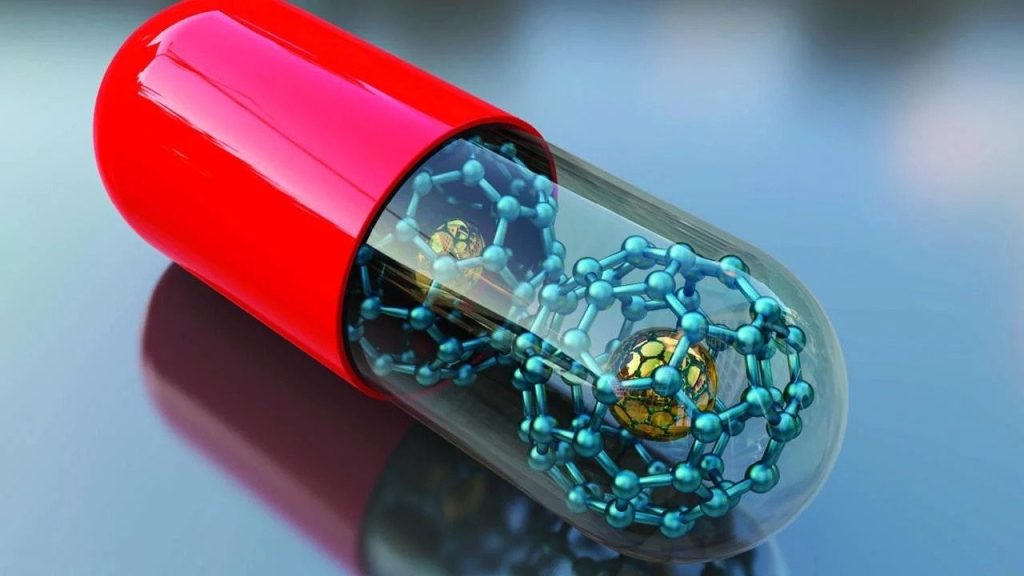
Nanoparticles can be engineered to deliver drugs directly to specific cells or tissues, minimizing side effects and enhancing the drug’s therapeutic efficacy. This is particularly useful in cancer treatment, where nanocarriers can be designed to target cancer cells while sparing healthy tissue.
Nanotechnology also improves drug solubility, making them more effective at lower doses. Lipid-based nanoparticles like liposomes can encapsulate hydrophobic drugs, allowing them to dissolve and be transported in the bloodstream more efficiently. Controlled and sustained release are another key impact of nanotechnology. Nanotechnology enables the creation of drug delivery systems that release their payloads gradually over time, reducing the need for frequent dosing and improving patient compliance. Some nanoparticles are engineered to release drugs in response to specific environmental triggers, such as pH changes or the presence of certain enzymes.
Nanoparticles can also cross biological barriers, such as the blood-brain barrier (BBB), which protects the brain from harmful substances but also blocks many therapeutic drugs. They can be designed to pass through the BBB, making them valuable for delivering treatments for conditions like Alzheimer’s, Parkinson’s, or brain tumors.
In cancer therapy, nanoparticles can be used for both therapy and diagnostics simultaneously, known as theranostics. For instance, nanoparticles can be loaded with both imaging agents and drugs, allowing doctors to track the nanoparticles in real-time to see how well a treatment is working while simultaneously delivering therapy. Multifunctional nanoparticles can carry multiple drugs or combine therapeutic agents with imaging markers, allowing for combination therapies that can attack cancer in different ways while providing detailed information on tumor response.
However, there are challenges and future directions in nanotechnology, including regulatory hurdles, scalability and manufacturing, and personalized medicine. As nanotechnology continues to evolve, it is likely to play an even more significant role in personalized and precision medicine, offering patients more effective and less toxic treatment options.