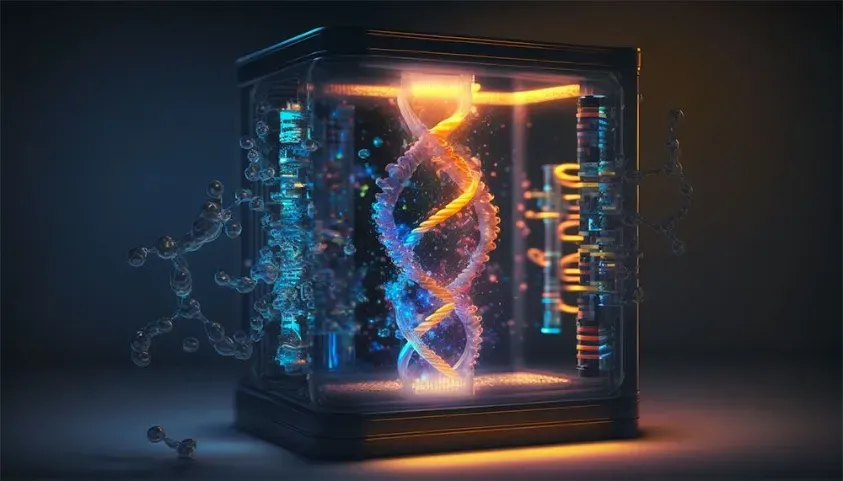
This technology offers significant benefits such as massive storage capacity, longevity and stability, environmental benefits, scalability for the future, and no obsolescence. DNA can store up to 215 petabytes per gram, making it ideal for archiving vast amounts of data in minimal physical space. It also has the potential to last thousands of years if stored properly, unlike magnetic tapes, hard drives, or SSDs.
DNA storage also offers environmental benefits, as traditional data centers consume significant energy for cooling, making it a greener alternative for long-term data archival. As the amount of digital data globally grows exponentially, DNA offers a path to scalable, sustainable storage for future needs. Future technologies will likely continue to support DNA manipulation, reducing the risk of data loss due to outdated formats.
Compact archiving is another advantage of DNA data storage, ideal for cold storage, such as historical records, government data, and scientific archives. However, challenges such as cost, speed, error rates, and access require lab processing. Real-world use cases include archived government records, backing up massive scientific datasets, preserving cultural heritage, and creating disaster-proof archives.
In summary, DNA data storage plays a critical role in solving long-term data preservation and environmental challenges, with potential to redefine the future of archival storage as costs drop and processes improve.