
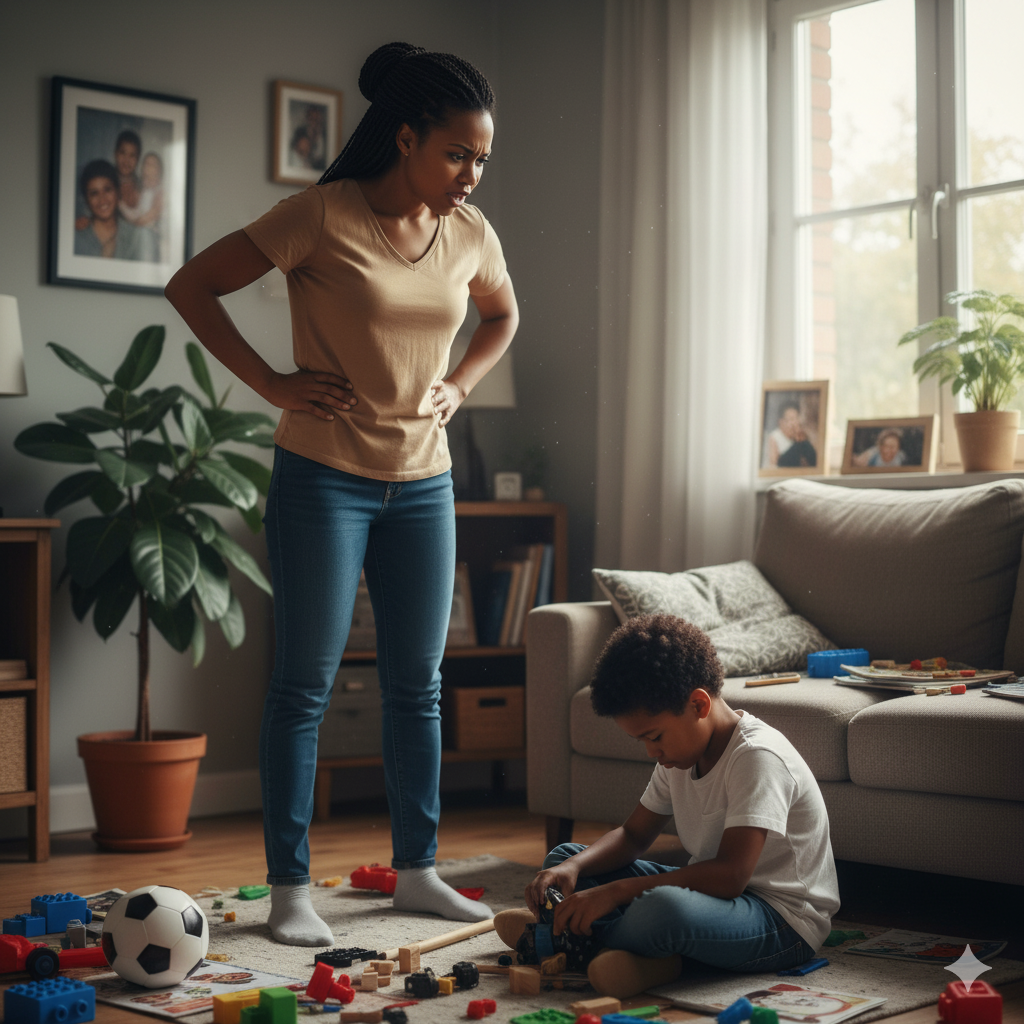
Parenting is one of the most rewarding yet challenging responsibilities a person can take on. While the world often paints parenthood in glowing colors of joy, pride, and milestones, the reality is that many parents face silent battles. Financial struggles, health issues, grief, loneliness, and the pressure of daily survival can weigh heavily on their shoulders. When these burdens are not managed, they often spill over into the way children are raised.
Recently, a parent in our community shared an experience that highlights this truth. In a moment of frustration, they beat their young son until he had bruises all because he did not know his homework. What made this heartbreaking was that the boy had only just joined the school a week earlier and was still trying to adjust to a new curriculum. Even the parent had admitted to hiring a private teacher to cope with the difficulty of the subject.
It became clear that the child was not the real problem. The parent had been battling several personal challenges: Serious illness, expensive hospital bills, the loss of both parents, loneliness, and financial strain. In that moment, the weight of their unhappiness transferred to the child.
Yet, the story didn’t end there. After the incident, the parent apologized, and the child, with the innocence that only children can carry, said:
“The one thing I am most happy about in my life is that you and I are family and that we take care of each other.”
Those words struck deeply. They reminded the parent and should remind us all that even in our brokenness, our children see us as their safe place. But it also highlights a hard truth: when parents remain unhappy, unhealed, and overwhelmed, they risk becoming their child’s first enemy.
Lessons for Every Parent
- Heal Yourself First – Children thrive best when their parents are emotionally stable. A hurting parent often hurts their child, even without intending to.
- Apologize When You’re Wrong – Saying sorry to a child does not reduce authority; it teaches them accountability and models empathy.
- Create Safe Spaces at Home – Instead of transferring aggression, find small ways to bond; storytelling, play, or simple conversations can build trust.
- Seek Support – Parenting is not a solo journey. Where possible, lean on therapy, support groups, mentors, faith communities, or trusted friends.
- Prioritize Joy and Gratitude – A parent who learns to celebrate small wins and embrace gratitude passes on resilience to their child.
Children do not need perfect parents, they need present, loving, and healing parents. The more we take care of our own mental, emotional, and physical well-being, the more equipped we become to guide our children with patience and love. An unhappy parent may easily become a child’s first enemy. But a healing parent will always remain a child’s first protector. You are doing a good job, keep it up.