In addition to a €65 million grant, the plan called for a combined external credit package of $21.5 billion, €2.2 billion, and 15 billion Japanese yen.
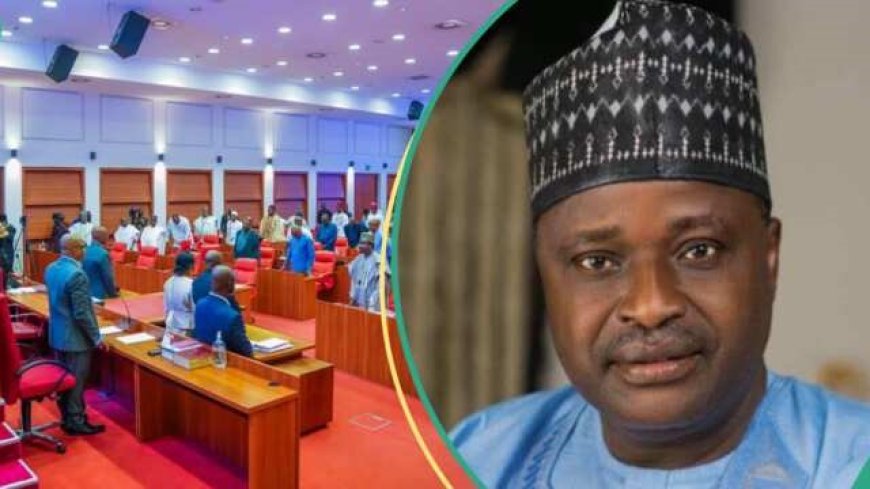
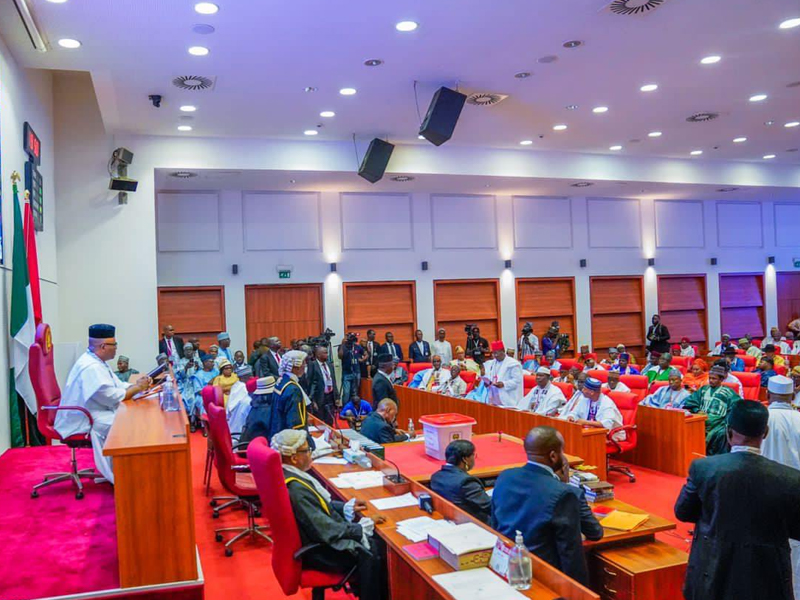
After Aliyu Wamakko, the chairman of the Senate committee on local and international debt, presented a report, the borrowing plan was approved during Tuesday’s session. According to Wamakko, the request was first made to the national assembly on May 27 but was postponed because of the parliament’s break and difficulties obtaining documents from the Debt Management Office (DMO).
In order to pay off outstanding commitments under the Contributory Pension Scheme (CPS), some of which go back to December 2023, the Senate also approved the issue of N757.98 billion in domestic bonds.
According to the red chamber, the clearance will help thousands of retirees who have been impacted by payment delays. The Senate insisted that the fiscal strategy paper (FSP) and medium-term expenditure framework (MTEF) for 2025–2026, which set out Nigeria’s fiscal course for the ensuing years, included the foreign borrowing plan and the issuing of domestic bonds as essential elements.
In his letter to the National Assembly, President Tinubu stated that the loans were necessary to propel growth in several critical areas, such as agriculture, water, health, education, transportation, and power.
He emphasized how urgent it is to address the nation’s severe infrastructure deficit, particularly in light of the elimination of gasoline subsidies, which put a strain on government coffers and put more hardship on the populace.
According to President Tinubu, “prudent economic borrowing has become essential to close the financial shortfall due to the country’s significant infrastructure deficit and the lack of financial resources needed to address this gap amid declining domestic demand.”