The evolution of celebrity gossip culture has been influenced by changes in media technology, public interest, and the growing influence of celebrities in society. From Hollywood’s Golden Age to the rapid-fire, user-driven content of the digital age, celebrity gossip has transformed dramatically over the years.
In the early 20th century, Hollywood’s Golden Age saw the rise of tabloid magazines like Photoplay, which began covering the lives of film stars in a glamorous and idealized manner. Tabloid columnists like Hedda Hopper and Louella Parsons became powerful figures in Hollywood, using gossip columns to build and maintain star personas. The mid-20th century saw the rise of sensationalist coverage of celebrity scandals, such as affairs, divorces, and drug use. Television and radio brought celebrity gossip into homes across the world, with shows like The Ed Sullivan Show featuring celebrity interviews and performances, while radio DJs often discussed the latest celebrity news.
The late 20th century saw the Paparazzi and the tabloid boom, with paparazzi becoming notorious for pursuing stars relentlessly, leading to high-profile incidents like the car crash that killed Princess Diana in 1997. This era was marked by a more aggressive approach to celebrity coverage, with tabloids like The Sun in the UK and TMZ in the US pushing the boundaries of privacy. Celebrity magazines like People, Us Weekly, and Hello! became hugely popular by focusing on both the glamorous and gritty sides of celebrity life.
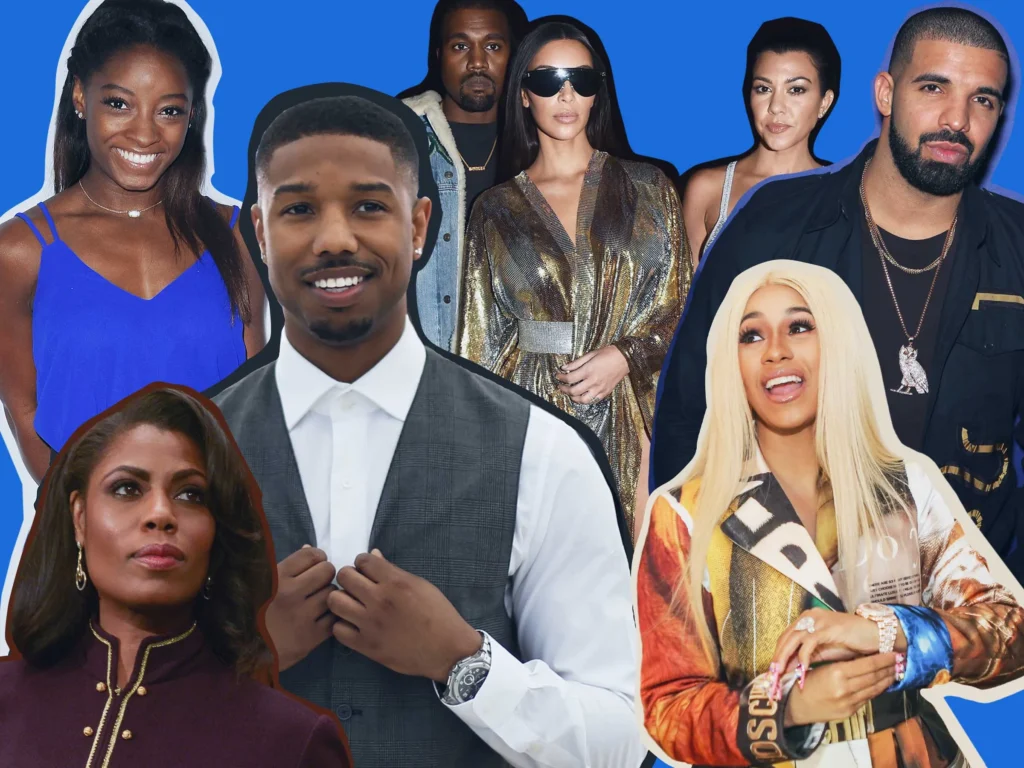
The early 2000s saw the internet and gossip blogs, revolutionizing celebrity gossip culture by making information available instantly and to a global audience. Reality TV influencers like “Keeping Up with the Kardashians” blurred the lines between celebrity and gossip, feeding directly into the gossip culture. Social media platforms like Twitter, Instagram, and Facebook gave celebrities a direct line to their fans, allowing them to control their narratives in real-time.
Viral gossip on social media changed the dynamics of celebrity gossip, with scandals erupting and spreading globally within minutes, with hashtags and memes amplifying the impact. The definition of a “celebrity” expanded to include social media influencers and YouTubers, who built their fame on platforms where they could directly interact with their audience.
In the 2020s, there has been growing scrutiny of the ethical implications of celebrity gossip, particularly around issues of privacy, mental health, and media accountability. Movements like #MeToo have led to more serious and investigative forms of celebrity journalism, moving beyond mere gossip. In response to the negative aspects of traditional gossip, many celebrities now strive for authenticity in their public personas, using social media to share candid moments, mental health struggles, and social justice causes.