
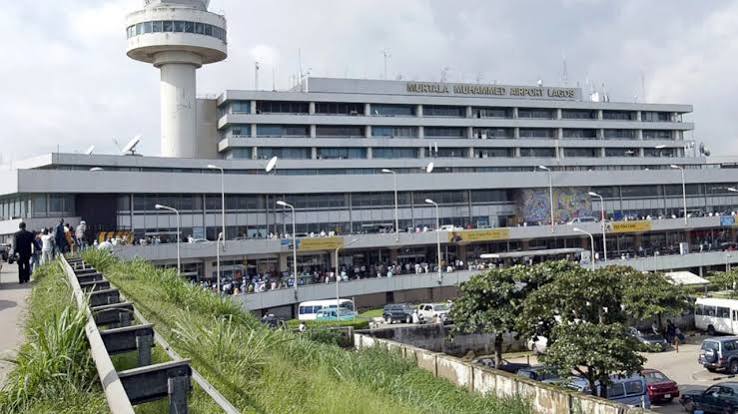
Recent disruptions at Nnamdi Azikiwe International Airport in Abuja have stranding passengers due to debts airline operators owe to fuel marketers, compounded by an increase in the cost of Jet A1 aviation fuel. Specifically, passengers from Air Peace faced cancellations and long delays last Friday, leading to protests as many were left stranded overnight. Despite efforts by airline staff to communicate with affected passengers, the reasons for the disruptions remained unclear.
The spokesperson for the Nigeria Civil Aviation Authority, Michael Achimugu, confirmed that fuel shortages were affecting airline operations but offered little detail on the causes. He noted that airlines had been updating passengers, although frustrations often hindered effective communication. Air Peace later issued a statement attributing the delays to the unavailability of Jet A1 fuel, which also affected other airlines, yet claimed the problem arose once fuel became available.
Additionally, sources within the fuel marketing sector reported that while Jet A1 fuel was available, airlines faced delivery issues due to outstanding payments. The current price of Jet A1 is about N2,130 per litre in major hubs, with costs slightly higher in other regions, further straining airline budgets. Indigenous carriers, relying mainly on naira revenues against dollar-denominated operating costs, have been particularly hard-hit, prompting calls for government intervention to avert a crisis in the sector.
Aero Contractors’ Managing Director Ado Sanusi acknowledged the availability of Jet A1, disputing claims of scarcity and attributing the high costs to market conditions. He expressed confidence in the supply from local refineries, indicating that his airline maintains a policy of timely payments to fuel marketers. Conversely, he refrained from commenting on the financial status of other airlines with respect to their fuel obligations. This prevailing situation reflects a broader concern within Nigeria’s aviation sector, where financial pressures are forcing many operators to seek additional funding to remain operational amidst rising fuel prices.