- US launches new wave of strikes against Iran
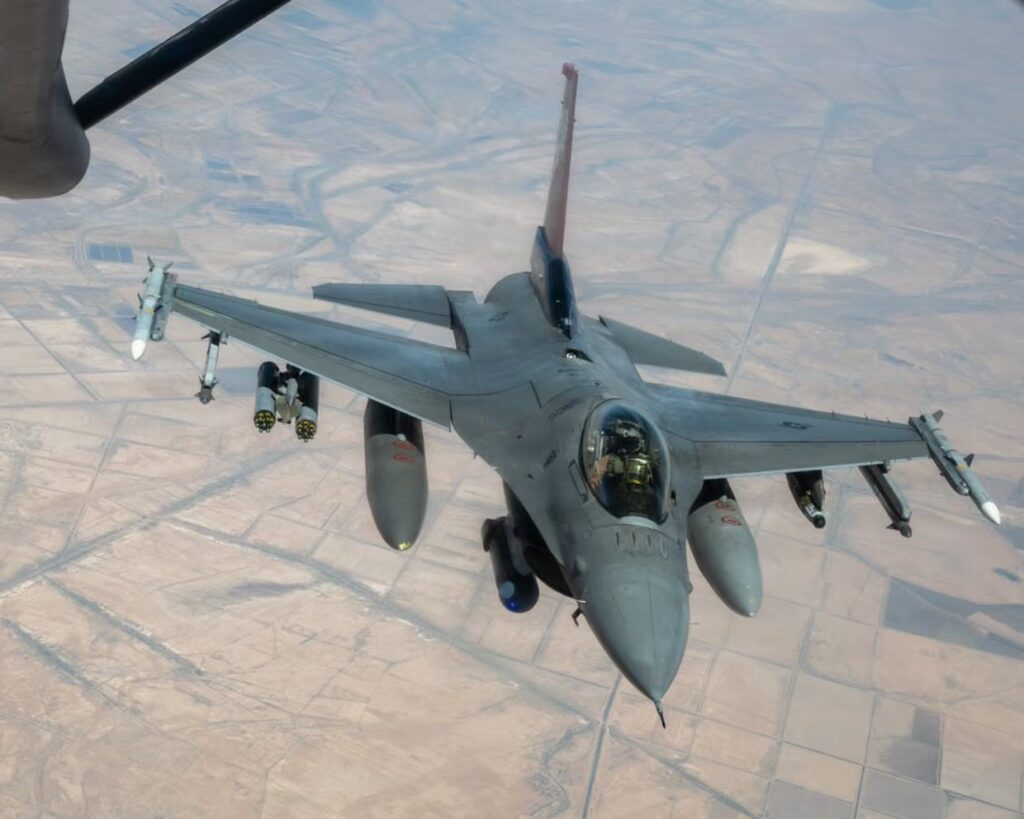
The recent escalation between the US and Iran marks a significant deterioration in relations, largely centered around the strategic strait of Hormuz. The US military initiated a fresh round of strikes against Iranian targets on Sunday evening, executing approximately 140 operations aimed at neutralizing Iran’s capacity to threaten civilian maritime activities in the region. President Donald Trump stated these actions are intended to hold Iranian forces accountable, asserting that the US is “beating them up.”
In response, Iran launched its own attacks targeting nations hosting US military forces, including missile strikes that were intercepted by the armed forces of Jordan and Kuwait. This cycle of military aggression highlights Iran’s attempts to assert dominance over key shipping routes while intensifying the pace and scale of military actions in the Gulf region.
The renewed violence has implications for a recent interim truce agreement between the US and Iran, with diplomatic efforts appearing jeopardized. Notably, Iranian strikes have also been directed at Qatar, a mediator in the ceasefire discussions, and the United Arab Emirates, which engaged its air defense systems against incoming Iranian missiles and drones.
Iran condemned the US strikes, suggesting they have nullified months of diplomatic initiatives to stabilize the West Asian region and exacerbated insecurity in the strait of Hormuz, a critical conduit for global oil shipments. The Iranian foreign ministry accused the US of obstructing diplomatic efforts, including discussions with Oman pertaining to transit management through the strait.
As tensions rise, Trump’s recent comments indicate a hardening stance, as he suggests the ceasefire is effectively over while leaving open the possibility for further negotiations. Conversely, Iran’s top negotiator emphasized a refusal to accept one-sided agreements, threatening that the era of unilateral concessions has ended.
The conflict’s intensification has caused notable repercussions in global markets, leading to a spike in energy prices, with oil futures climbing over 3.5%. This increase comes amid heightened concerns over the stability of a region that previously accounted for a significant portion of world oil and liquefied natural gas shipments before the conflict.
Furthermore, Iran’s establishment of a Persian Gulf Strait Authority indicates its intention to enforce a system regulating maritime passage through the strait, which the authority claims is currently unmaintainable due to ongoing US military movements. The US contends its military presence is essential for ensuring the freedom of navigation, amidst what it deems Iranian provocations.
Overall, the latest round of attacks marks a profound shift in the US-Iran relationship, exacerbating regional tensions and fueling fears of broader conflict as both countries engage in aggressive posturing over the stratagem of the strait of Hormuz.