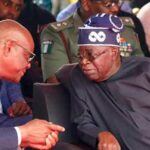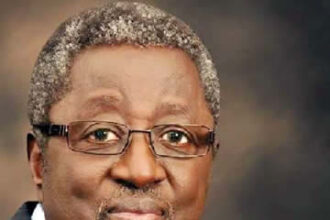

Gbenga Daniel, a senator from Ogun East, has suggested that Nigerians who return illicit cash kept overseas be granted a structured amnesty by the federal government, provided that the funds are invested in profitable areas of the economy.
He claimed that corruption was still a significant barrier to Nigeria’s development and emphasized the necessity of addressing capital flight, which he described as one of the most detrimental aspects of graft.
Meanwhile, capital flight is one of the most detrimental aspects of corruption. A large portion of the pilfered funds are invested abroad, benefiting other countries but depriving Nigeria of resources for development.
As a practical measure, the government might take into account a well-crafted moratorium or amnesty on the repatriation of such money, so long as they are used for profitable domestic investments. This will assist in providing the economy with much-needed capital,” he stated.
He advocated for a more systemic approach to combating corruption, claiming that a significant amount of illicit wealth goes via the banking system, making it traceable with contemporary financial intelligence techniques.
The legislator also emphasized the necessity of making full use of the Code of Conduct Bureau in order to improve public official accountability.
Regarding misinformation, Daniel expressed worries about skewed narratives and incomplete facts influencing public opinion.
Even elites occasionally depend solely on headlines without thoroughly examining topics, and political decisions are frequently made from distorted perspectives.
“To empower citizens, we must consciously invest in reliable, fact-based information systems,” he stated.
Daniel urged for a restoration to the “Omoluabi” attitude of honesty, integrity, and moral rectitude and bemoaned the deteriorating ethical standards in public service, pointing out that sources of unexpected income were hardly questioned.
He emphasized the need for unity and sincerity of purpose while expressing optimism that Nigeria’s governance problems were not insurmountable.
Four novels, including “Daniel in the Lions’ Den” and “My March through the Courts,” were released at the event.
Dr. Reuben Abati asked Nigerians to develop the practice of recording their experiences after reading two of the books. The books provide in-depth analyses of Nigerian politics, according to Abati, a Fellow of the Nigeria Guild of Editors, who suggested them to young Nigerians and scholars.