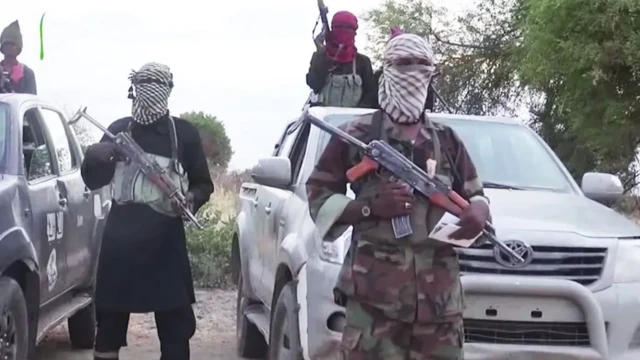
Nigeria’s security landscape has taken another troubling turn as a violent turf war between Boko Haram and the Islamic State West Africa Province (ISWAP) escalates in the country’s northeastern axis. According to recent reports, a massive clash near the Lake Chad basin resulted in the deaths of about 200 fighters, highlighting the scale of the ongoing conflict and the intensifying struggle for dominance between the two rival jihadist factions.
The confrontation is part of a long-running leadership and territory dispute. Though both groups emerged from the same extremist roots, Boko Haram has weakened in recent years, while ISWAP backed by the Islamic State’s global network has grown more coordinated and tactically sophisticated. This latest battle indicates that ISWAP is aggressively attempting to dominate the region’s lucrative routes, recruitment pools, and weapon supply channels.
Security experts warn that the fight between these factions, while seemingly a conflict among criminals, still poses a major risk to civilians in the affected zones. When extremist groups battle each other, communities are often caught in the crossfire facing raids, forced displacement, conscription, or retaliatory attacks. The Lake Chad region, already fragile due to poverty and limited government presence, remains one of the most vulnerable areas.
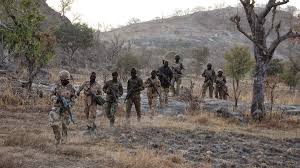
Furthermore, the turf war exposes a crucial weakness in Nigeria’s counterterrorism strategy: fragmented intelligence networks and the lack of a unified, long-term plan. As one insurgent group weakens, another often rises, creating a cycle that allows the conflict to sustain itself. The military has increased surveillance and patrol operations in Borno and surrounding states, but analysts insist that without a deeper political, economic, and humanitarian approach, the violence may continue.
The situation is a stark reminder that Nigeria’s fight against terrorism is far from over. While the death toll in this latest clash may weaken both extremist groups temporarily, it also signals an unpredictable and dangerous evolution of insurgency in the region one that requires urgent, strategic, and coordinated responses at all levels of government.