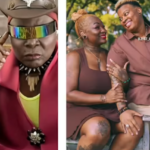

Uzo Njoku is a Nigerian-American visual artist and designer, known for her bold use of pattern, textiles, portraiture, and storytelling that bridges Africa and Nigerians in the diaspora.
Her work explores themes of identity, community, texture, tradition, and the lived experience of Nigerian culture in both local and global contexts.
An Owambe Exhibition by Uzo Njoku
This exhibition marks a homecoming for Njoku, bringing her work back to Lagos. It will feature nine new paintings that probe different layers of Nigerian life and culture.
Themes & Artistic Approach
- Intergenerational conflict
- Queer identity
- Female beauty standards
- Childhood ambiguity
- Spiritual resilience
- And more.
Her works include a satirical classroom scene focused on corruption, a tender tribute to domestic workers, and a mother-and-son portrait, among others.
The exhibition is scheduled to open from November 22 to December 19, 2025, in Ikoyi, Lagos.
But this is not just a display of paintings, it’s a full cultural experience.
Planned Events Include:
- Workshops (e.g., textile and dyeing/printing traditions)
- Presentations and talks including symposiums, spoken word, poetry, drama, and Q&A with Uzo Njoku herself
- Children’s activities (folklore sessions, coloring sheets)
- A fashion show
- An art book release connected to the exhibition
And the best part is that it is free for all.
The Controversy
However, several objections have emerged from parts of the Yoruba community, traditional rulers, and civic groups.
1. Cultural Misrepresentation
Critics argue that Njoku is using Yoruba cultural symbols, language, patterns, and words like Owambe without proper acknowledgment or consultation.
Some allege that she combines Yoruba textiles such as Adire with colors and symbols associated with Biafra or Igbo identity, a mix seen by opponents as politically or culturally problematic.
2. The Use of the Term “Owambe”
Many Yoruba voices argue that the word Owambe, deeply tied to Yoruba social life, festivities, and identity, should not be used out of context claiming it could mislead or distort Yoruba heritage.
Njoku, however, has defended her choice, explaining that the word represents the celebratory energy and creative spirit of Lagos, not just Yoruba culture. She says the exhibition captures the spirit of Nigerian and African life as a whole.
An official letter allegedly written by the Oba of Lagos, Oba Rilwanu Akiolu, has been circulating in the media. The letter, addressed to the Ministry of Art, Culture, and Tourism, reportedly urges that the exhibition be halted to avoid possible disturbances or cultural unrest.
Additionally, the Yoruba Youth Council submitted a petition to the Lagos State Government, claiming that the exhibition misrepresents Yoruba heritage.
To intensify the matter, over 10,000 signatures have reportedly been collected in support of canceling the exhibition.
OUR TAKE ON THE MATTER AT NAIJA STREET MATTERS
The exhibition should be an Owambe of Culture, not Controversy.
To start with, no one has the right to dictate how an artist should express their art.
In an era where Nigerian youths are exporting creativity across borders, the uproar against Uzo Njoku’s exhibition feels like a misplaced priority.
The Oba of Lagos and others lending their voices to this petition seem to be fighting art instead of the real adversaries of Lagos; poverty, crime, unemployment, and urban decay.
Njoku’s exhibition is not a threat; it’s an opportunity, an addition to Nigeria’s cultural and economic strength.
She isn’t asking for public funds; she’s offering a free exhibition that promotes art, creativity, and national pride. That deserves support, not condemnation.
1. Cultural Advancement and Reconnection
Culture must evolve to survive. Artists like Uzo Njoku serve as preservers and translators of tradition, bridging traditional African aesthetics with contemporary global art.
Her Owambe theme isn’t cultural theft, it’s a tribute to the exuberance of Nigerian celebrations that transcend tribe and tongue.
By exhibiting in Lagos, Njoku embodies a diasporic return, reconnecting Africans abroad with their roots and inspiring cultural dialogue and creative modernization. Every painting, textile, and installation tells a story of Africa’s beauty and complexity.
2. Economic and Tourism Impact
Art exhibitions do more than decorate galleries; they drive local economies.
Events like An Owambe Exhibition create jobs for curators, photographers, caterers, event managers, and artisans. Workshops and fashion collaborations empower indigenous textile makers and introduce their crafts to new collectors and investors.
3. The Misplaced Petition and Misguided Priorities
While leaders allegedly forward petitions about art, Lagosians face more pressing issues:
- Children begging in traffic and sleeping under bridges.
- Markets demolished without proper resettlement.
- Rising cost of living.
- Rent hikes.
- Gridlocks and floods crippling commerce.
- Youth unemployment fueling crime and despair.
- Persistent fuel scarcity.
Where are the petitions against these? Where are the royal letters demanding reforms in waste management, education, and safety?
4. Freedom of Expression and Artistic Interpretation
Art isn’t meant to please everyone, it’s meant to provoke thought and reflection.
The right to creative interpretation is protected under Nigerian law and international cultural conventions.
Accusing an artist of “cultural misrepresentation” for interpreting life through her own lens is to deny the very essence of art itself.
Uzo Njoku hasn’t desecrated Yoruba culture; she has celebrated and reimagined it with pride and respect.
5. What Lagos and Nigeria Stand to Lose
If every creative work must pass through political or royal approval, Nigeria risks strangling its creative economy.
Lagos’s reputation, from Nollywood to Afrobeats was built by rebels of imagination, not by committees of censorship.
Silencing Uzo Njoku now could set a dangerous precedent for tomorrow’s filmmakers, designers, and poets.
Instead of petitions to cancel art, we should be funding art, building galleries, hosting exhibitions, and investing in creative education.
That’s how nations grow, through empowerment, not intimidation.