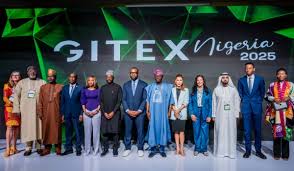
When Lagos made its debut at the GITEX technology exhibition in Dubai, the city arrived with ambition, culture, and the weight of expectation. What followed was not just a showcase of Africa’s most vibrant tech hub but a decisive win for Nigeria’s future. In a deal that has stirred excitement across industries, Lagos secured a staggering US$6 billion technology investment fund, a development seen as a turning point in the nation’s quest to establish itself as a global player in innovation and digital growth.
The significance of this deal extends beyond numbers. For a country wrestling with economic uncertainties and an urgent need for diversification, technology offers a lifeline. By channeling such massive investment into Lagos, the city cements its position as the beating heart of Nigeria’s digital revolution. From fintech start-ups in Yaba’s “Silicon Lagoon” to the next generation of artificial intelligence and renewable energy solutions, the fund promises to fuel projects that could transform daily life and expand opportunities for millions of Nigerians.
At the human level, this development is about more than data centers, coding boot camps, or flashy digital hubs, it is about young people with big dreams. Nigeria’s youth, often described as its greatest asset, have long cried out for platforms that can match their creativity with opportunity. With unemployment rates biting hard, this US$6 billion fund signals hope: jobs, mentorship, start-up financing, and a future where innovation is not just a buzzword but a lived reality. It is a reminder that the nation’s stories of struggle can be rewritten as stories of solutions.
Globally, the fund is also an affirmation of trust. For investors from Dubai and beyond to channel billions into Lagos speaks volumes about Nigeria’s resilience and potential. It positions Lagos as not just a city of hustle and bustle but as a destination for serious technology investment. This could trigger a ripple effect, attracting even more international partnerships, boosting investor confidence, and encouraging Nigerian leaders to strengthen policies that make such collaboration possible.
Yet, as promising as the news is, it comes with a challenge: implementation. The excitement must not be swallowed by bureaucracy, corruption, or misplaced priorities. To truly benefit Nigerians, this fund must translate into tangible progress, reliable infrastructure, accessible internet, inclusive training, and affordable technology. If Lagos can rise to this task, then this moment at GITEX will be remembered not just as a headline, but as the dawn of Nigeria’s transformation into Africa’s true tech giant.