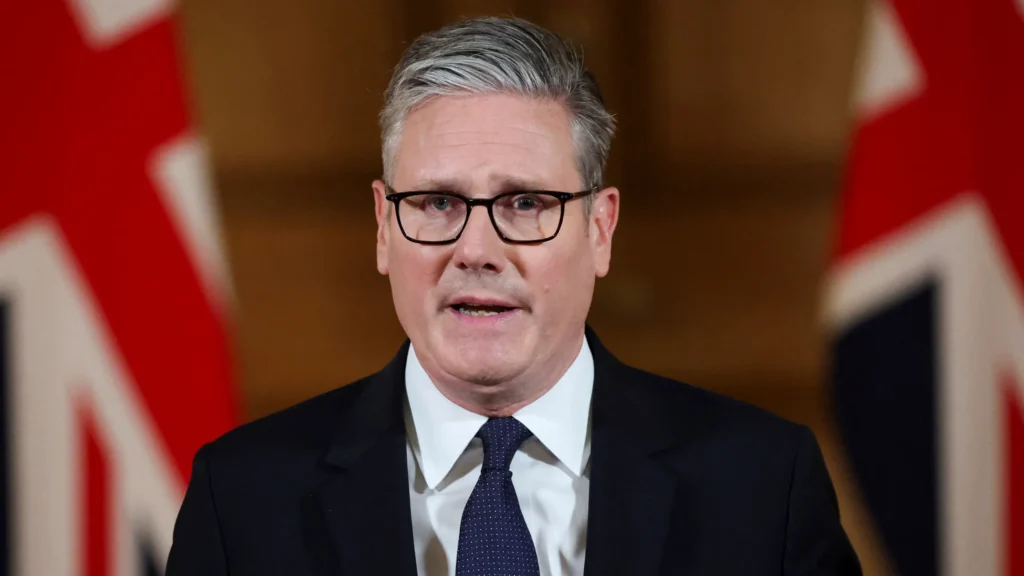
In a viral Sky News segment aired today, commentators dissected a major shift in UK leadership: Prime Minister Keir Starmer’s threat to formally recognize Palestinian statehood by September 2025, unless Israel meets stringent conditions—including a ceasefire, halting annexations, and a commitment to a two-state peace process.
What’s Unfolding?
-
The policy shift comes as the UK faces overwhelming pressure: over 200 MPs from multiple parties have called for timely recognition of Palestine amid Gaza’s worsening humanitarian crisis.
-
Starmer’s announcement previews recognition at the upcoming UN General Assembly—unless Israel fulfills demands linked to a ceasefire and ending settlement expansion.
Why Street Protesters Are Fuming
-
Massive protests have erupted across the UK, with demonstrators accusing the government of unjustifiable delays and conditional tactics. As the Palestine Solidarity Campaign (PSC) memorably stated, Palestinians shouldn’t have to wait for Israel to meet polite voting conditions.
-
Activist groups allege Starmer is using recognition as a bargaining chip—an approach they view as both patronizing and politically motivated.
Political Uproar & Party Tensions
-
Within the Labour Party, pressure is mounting. Some MPs view the delayed or conditional stance as out of touch, while the government attempts to strike a geopolitical balance between appeasing French alignment and maintaining U.S. ties under Trump’s renewed presidency.
-
Meanwhile, critics including Conservative figures label the move as a “reward to Hamas,” arguing it could weaken ties with Israel and hamper UK national security.
Significance & Strategic Stakes
-
Historic pivot moment: The UK’s recognition would join France and Canada, marking a major symbolic weight given Britain’s legacy and UN Security Council role.
-
Contested timing: Critics argue that conditional recognition risks alienating grassroots protest movements and international human rights advocates.
-
Internal coherence tested: Starmer is walking a tightrope—balancing left-wing Labour pressure, domestic unrest, foreign policy optics, and long-term diplomatic credibility.
Final Thought
Starmer’s conditional recognition threat may be calculated diplomacy, but protesters across the UK see it as moral procrastination. As protests mount, the message is clear: this isn’t just foreign policy—it’s a referendum on whether statehood can be negotiated… or demanded.