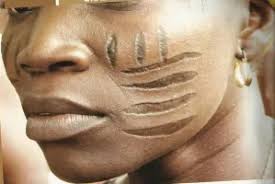
Across the sweeping cultural landscapes of Yorubaland, from present‑day southwestern Nigeria to parts of Benin and Togo, one practice stands as both a historical marker and a living debate. Ila Kiko, the art of inscribing tribal marks on the skin. For centuries, these marks have been more than scars; they were symbols of identity, beauty, courage, and belonging. Today, they sit at the crossroads of heritage and human rights, as younger generations grapple with whether to preserve or abandon this tradition.
The Yoruba people are renowned for their deep cultural heritage, and Ila (marks) were historically used for:
- Identity and Lineage: Marks indicated family ancestry, clan, or geographical origin, helping distinguish individuals during times of war, slavery, or migration.
- Protection and Spiritual Significance: Some patterns were believed to ward off evil spirits or bring favor from the gods.
- Aesthetic Beauty: Tribal marks were once considered signs of elegance, making individuals attractive for marriage.
- Social Status and Courage: Enduring the pain of marking was a rite of passage, proving strength and resilience.
The process, kiko, involved carefully slicing the skin usually the face, with sharp blades, followed by rubbing charcoal or herbs into the wounds to make them permanent and bold. Each Yoruba sub‑group developed distinctive patterns, and even within families, variations existed. Common examples include:
- Pele: Three vertical lines on each cheek, popular among Oyo and Ibadan people
- Abaja: Horizontal lines on both cheeks, common among the Ijesha and Ijebu.
- Gombo: Complex curved or straight lines often across the entire face.
- Ture: A single mark or short lines on either side of the face, minimalistic in design.
These marks were not random; they were carefully chosen to reflect cultural meaning and group identity. Ila Kiko was typically performed in childhood, between infancy and early adolescence. Herbal preparations were applied to reduce pain, prevent infection, and enhance healing. Yet, the physical pain was immense, and children were expected to endure it without crying, a demonstration of bravery that brought honor to the family.
With colonial rule and the spread of Christianity and Islam in the 19th and 20th centuries, attitudes toward tribal marks shifted. Colonial authorities often labeled the practice “barbaric,” while missionary schools discouraged marked children from enrollment. Over time, modernity, western education, and urbanization further eroded the practice.
Today, Yoruba tribal marks are rare, seen mostly among older generations or in rural communities. Laws in Nigeria now discourage marking children due to human rights concerns, framing it as unnecessary bodily harm. Pro heritage voices argue that tribal marks are vital cultural identifiers worth preserving for historical and artistic reasons.
Human rights advocates view the practice as non‑consensual, painful, and outdated in a modern society where facial scars may invite discrimination. Middle ground perspectives propose documenting the art form as cultural history while ceasing its physical practice.
Interestingly, the aesthetic of tribal marks is reemerging in art, photography, and fashion. Contemporary Yoruba artists and designers use painted marks or symbolic motifs in films, runway shows, and festivals, celebrating their meaning without reintroducing the physical act of cutting.
Ila Kiko is more than lines on the face; it is a living archive of Yoruba history, belief, and beauty. As the marks fade from physical skin, their stories linger, challenging us to honor the heritage without repeating the harm. Whether remembered in museums, revived in art, or discussed in cultural forums, tribal marks remain a profound reminder of the Yoruba people’s journey from tradition to modernity.