
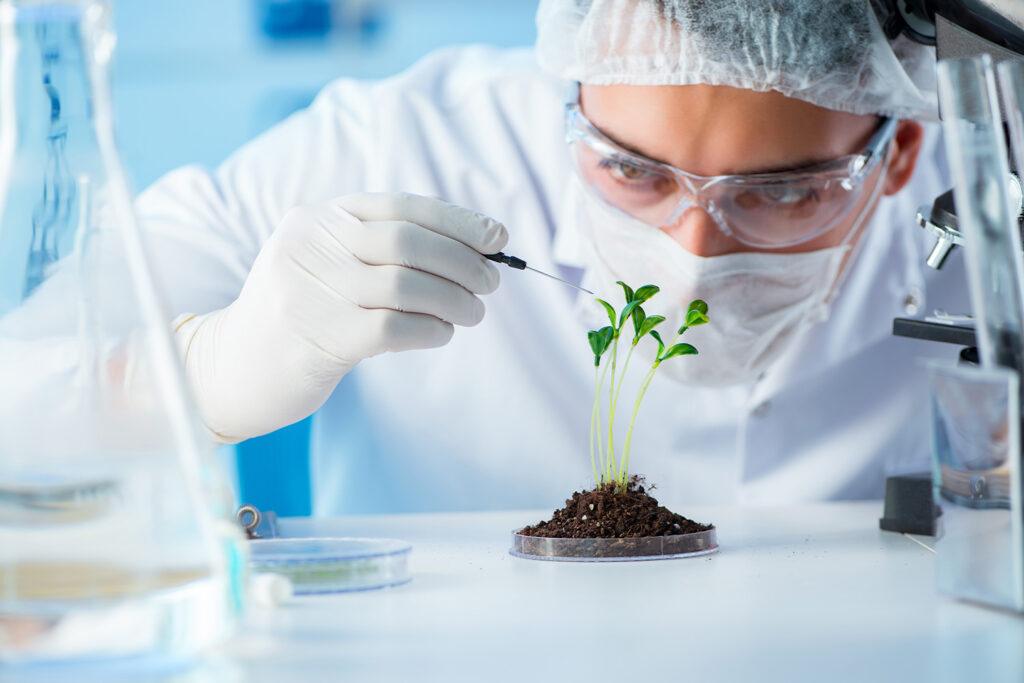
These technologies have enabled the development of gene therapy, biopharmaceuticals, personalized medicine, and crop resistance to pests, diseases, and herbicides. Genetically modified organisms (GMOs) have increased crop productivity, enabling farmers to produce more food on the same amount of land.
Climate resilience is another significant aspect of biotechnology, as it helps develop crops that can withstand extreme weather conditions, such as drought or high salinity, which is critical for food security in the face of climate change. Bioremediation and biofuels are two other areas where biotechnology contributes to the development of renewable energy sources.
Food security has been enhanced by genetic engineering, enabling the development of crops that grow faster and are more resistant to environmental stresses. This ensures a stable food supply in regions prone to crop failure. Genetic engineering can fortify foods with essential nutrients, like vitamins and minerals, helping tackle malnutrition in low-income populations. Disease resistance in livestock is also achieved through improved genetics, leading to animals that are more resistant to diseases, reducing reliance on antibiotics and lowering the risk of zoonotic diseases spreading to humans.
However, there are ethical and social concerns related to genetic engineering, particularly in relation to human gene editing. The potential to modify human embryos to eliminate genetic diseases or enhance abilities has sparked debates about the line in genetic manipulation. The widespread use of genetically modified crops may impact biodiversity, as GM crops could crossbreed with wild relatives, potentially leading to ecological imbalances.
Public perception and regulation of biotechnology and genetic engineering face varying levels of acceptance globally, with some regions facing skepticism due to concerns about food safety, corporate control over food supplies, and long-term environmental effects.
Industrial biotechnology, such as bioprocessing and enzyme production, uses genetic engineering to develop microorganisms that produce industrial chemicals, biofuels, and pharmaceuticals more efficiently. These biotechnological processes are often more environmentally friendly than traditional chemical methods. Balancing innovation with responsible regulation will be key to maximizing the positive impact of these technologies.
#naijastreetmatters