
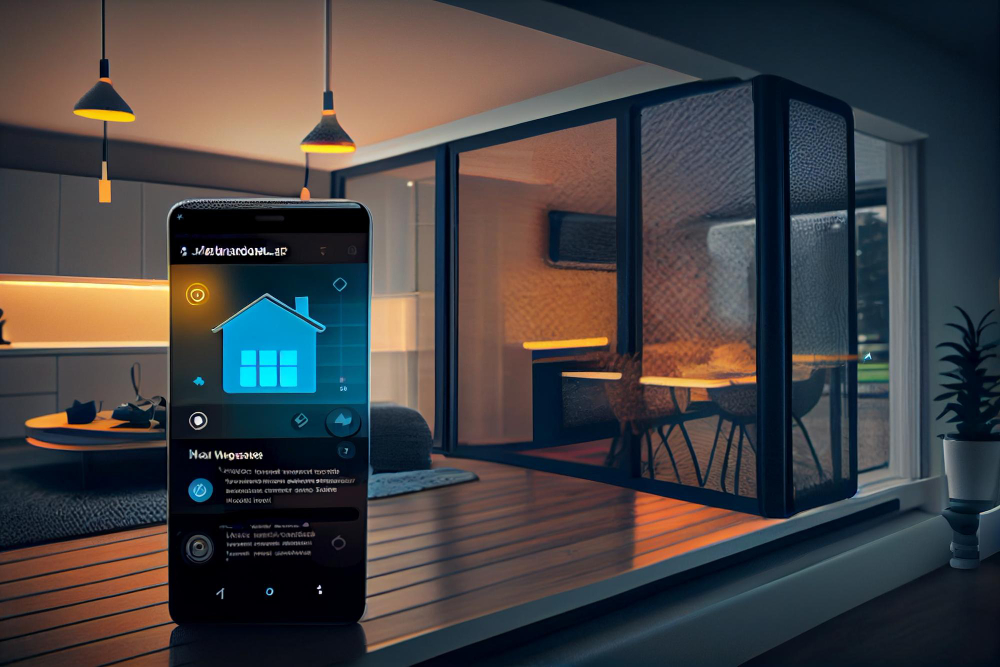
Integrated smart homes are revolutionizing the way people live by providing convenience, efficiency, and enhanced security. The integration of various smart devices and systems within a home creates a seamless and automated living environment. Voice assistants like Amazon Alexa, Google Assistant, and Apple’s Siri provide hands-free control, enhancing convenience.
Smart homes enable automation through routines and schedules, such as automatically dimming lights at bedtime or thermostats adjusting based on occupancy. This creates a more intuitive living environment, saving time and effort for homeowners. Smart thermostats and energy monitoring optimize heating and cooling based on occupancy and weather conditions, leading to significant energy savings and lower utility bills.
Improved home security and safety are also significant benefits of integrated smart homes. Smart security systems, such as smart locks, cameras, and motion sensors, provide real-time monitoring and alerts, enhancing peace of mind for frequent travelers or busy schedules. Smart smoke detectors, carbon monoxide sensors, and water leak detectors are connected to the home network, automatically triggering alerts and even contacting emergency services if necessary.
Personalized living experiences are another significant benefit of integrated smart homes. Customized preferences can be created based on each household member’s preferences, creating a customized living environment. Voice commands and gesture recognition offer a more natural and personalized way to interact with devices.
Integrated home entertainment allows seamless control of entertainment systems, while smart kitchens feature smart refrigerators that track groceries, ovens that can be preheated remotely, and coffee makers that start brewing based on a morning routine. Remote access and control are also available, allowing users to manage their home from anywhere using smartphones or tablets.
Health and wellness integration is another significant advantage of integrated smart homes. Air quality and environment control can be monitored to maintain a healthy living environment, and some systems integrate with health devices like smart beds, fitness equipment, and health trackers.
Scalability and future-proofing are key considerations in integrated smart homes. Ecosystem expansion allows for easy addition of new devices and systems, while interoperability across brands ensures compatibility between different brands and systems.
In conclusion, integrated smart homes are reshaping the way people live by providing convenience, efficiency, and enhanced security. As technology continues to evolve, smart homes are becoming more intuitive, customizable, and accessible, paving the way for a more connected and automated future in home living.
#naijastreetmatters