
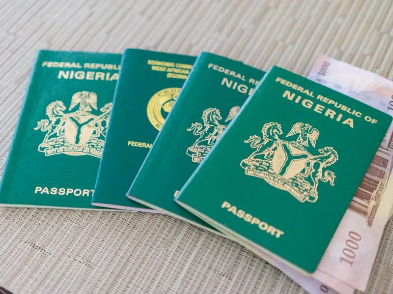
The development comes amid reports that Nigerian passport holders now have access to fewer visa-free destinations, potentially increasing the challenges faced by citizens travelling abroad for business, education, tourism and other purposes.
According to the reported figures, Nigerian citizens can enter 24 countries without obtaining a visa in advance, while 16 destinations offer visas on arrival and another 43 provide access through electronic visas.
The reported decline has renewed conversations about the strength of Nigeria’s passport compared with those of other African countries and the opportunities available to Nigerian travellers internationally.
A weaker passport ranking can create additional barriers for citizens, including visa application expenses, extensive documentation requirements and longer processing periods. These challenges may also affect business travel, international partnerships and educational opportunities.
However, passport rankings vary depending on the index used, its methodology and the visa policies considered. The reported position should therefore be distinguished from rankings published by other international passport indices.
As concerns grow over Nigeria’s international travel access, attention is turning to the factors influencing the country’s passport ranking and the steps that could improve mobility for Nigerian citizens.