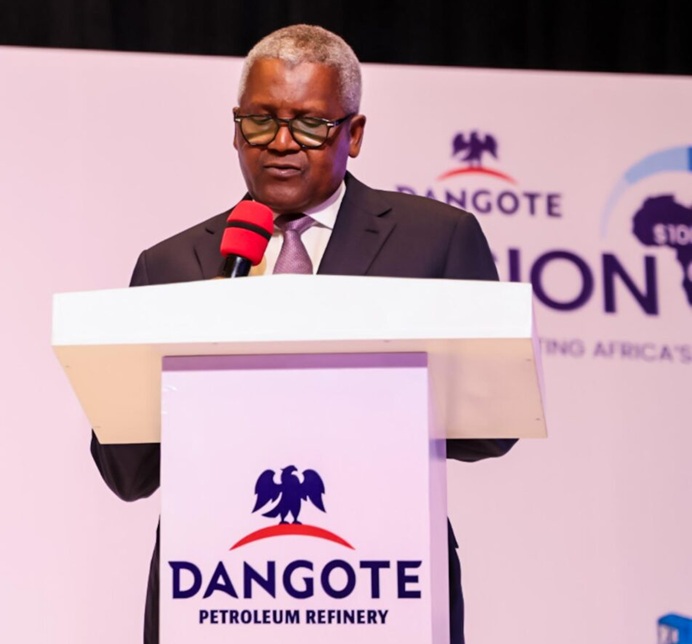
In an interview with Al Jazeera, he highlighted inconsistent government policies and insufficient electricity supply as significant barriers to investment in Africa.
Dangote emphasized the urgency of addressing the plight of over 600 million Africans living without electricity. He proposed a strategic shift in funding from businesses like steel towards electricity generation, asserting that reliable power is essential for economic growth. He noted that effective electricity delivery could reduce political campaigning efforts during elections, as citizens would be more likely to support capable leaders.
He criticized the current reliance on imports and urged African nations to focus on industrialization for job creation and economic sustainability. Dangote argued that the continent could face a financial crisis if it continued its import-heavy approach, calling for increased local production and investment in African businesses.
In defense of his business practices amidst claims of monopoly, Dangote maintained that he remains focused on his objectives without being swayed by critics. Drawing a parallel to professional athletes, he likened his focus on business growth to a football player concentrating solely on the game rather than outside distractions. He contended that opportunities in Africa are available to all willing investors and that accusations of monopoly do not deter him from his investment goals.
Dangote underlined the necessity for individuals and businesses to believe in Africa and its potential by actively participating in its development. He acknowledged that while criticism and opposition persist, his commitment to Africa’s industrial advancement remains unwavering. He views his efforts as a duty requiring relentless determination, willing to make personal sacrifices for the continent’s betterment.
He also advocated for the processing of Africa’s raw materials within the continent, stating that local value addition is crucial for economic development. He proposed that African governments should implement measures to encourage local processing to retain economic benefits and entice foreign businesses to produce within Africa, thus transforming raw commodities before export. Dangote called this necessary to ensure the continent’s successful industrial future.