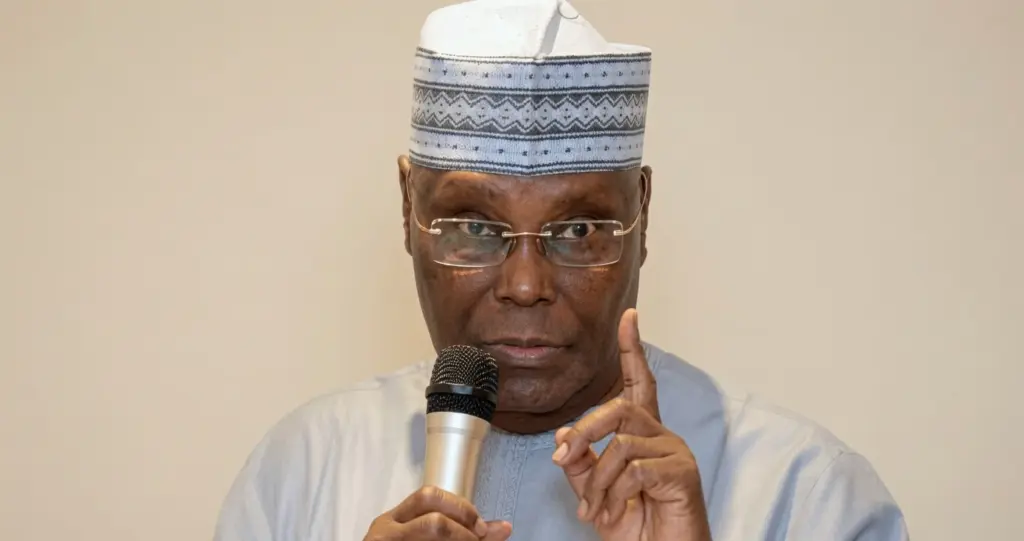
He attributes this unsettling phenomenon to the economic policies of President Bola Tinubu. In a recent post on X, Atiku described “disturbing stories” about young people resorting to the sale of their organs, particularly kidneys, as they struggle to raise money in the face of soaring expenses.
Atiku emphasized that young Nigerians should focus on creating dreams, ideas, and innovations rather than selling their body parts, calling the situation a moral failing for the nation. He highlighted that individuals are allegedly selling their kidneys for as low as ₦1.7 million, a claim he did not substantiate with specific sources. As of the time of reporting, the figure could not be independently verified.
He linked the alarming trend to the rising costs of essential living expenses, such as food, transportation, rent, school fees, medicine, and electricity, which have made ordinary life increasingly unaffordable. Atiku criticized the Tinubu administration, stating that basic necessities required to live with dignity are becoming unattainable for many Nigerians. He lamented the reality that young Nigerians are considering their kidneys as a last-resort form of savings, reinforcing the notion that this signifies a crisis of desperation rather than ordinary economic hardship.
Despite Nigeria’s existing laws against commercial organ sales and trafficking, Atiku argued that legislative measures alone cannot ameliorate the poverty and desperation that place vulnerable youth at risk of exploitation by criminal networks. He called for comprehensive economic reforms aimed at enhancing the quality of life for citizens, including affordable food, reduced transportation costs, accessible healthcare, and decent employment opportunities, all underlining the need for renewed hope for future generations.
Atiku concluded his statement with a pointed critique of President Tinubu, asserting, “Tinubu made Nigeria expensive. I will make Nigeria affordable again.” His remarks coincide with an uptick in reports of organ trafficking in Nigeria, including recent police actions against suspects alleged to be involved in such operations. The Nigeria Police had detained several individuals, including nephrologists, for their roles in recruiting victims for kidney harvesting, highlighting the intersection of economic desperation and illegal organ trade targeting young people in vulnerable positions.