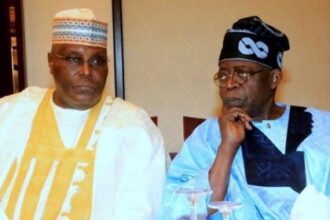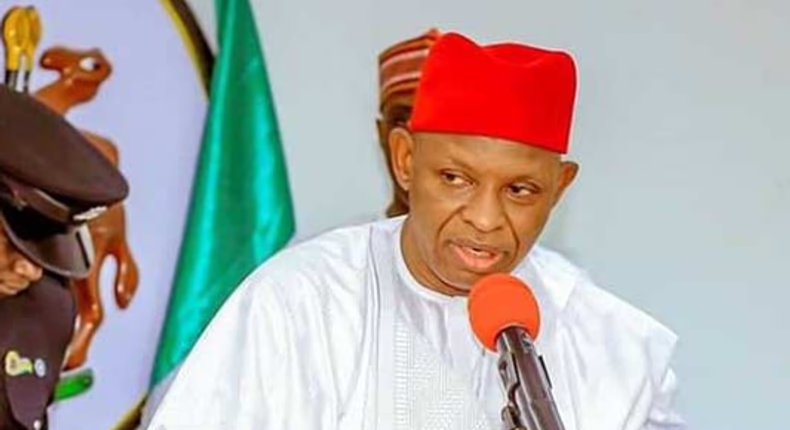

In a statement from his media office, Atiku warned that such actions threaten to create a one-party state and are designed to weaken political competition ahead of the 2027 elections. He expressed concern that any limitation on citizens’ electoral choices poses a significant threat to democratic governance.
Atiku criticized Tinubu, claiming that his actions contradict his purported commitment to democratic principles, arguing that Nigerians are witnessing the true intent of Tinubu’s administration. He emphasized that the ability of citizens to participate in free and fair elections is foundational to democracy and warned that suppressing opposition could lead to chaos.
Citing past presidencies of Muhammadu Buhari and Goodluck Jonathan, Atiku argued that a genuinely popular government should welcome electoral competition rather than fear it. He condemned Tinubu for abandoning the democratic ideals he once supported during Nigeria’s military regime, asserting that one cannot claim to uphold democracy while attempting to suppress the will of the people.
Atiku also appealed to the judiciary to maintain its integrity, urging judges to resist political influence. He cautioned that the reputation of the justice system could be significantly damaged by a minority of judicial officers who allow themselves to be manipulated by politicians.
Furthermore, a Federal High Court ruling in Lokoja overturned a prior judgment that had mandated the registration of the Nigeria Democratic Congress as a political party, stating that the Peace Movement Party, which had not been included in the initial suit, had its rights affected. The court has called for a reevaluation of the case, instructing a new hearing with all relevant parties included.
In light of these events, Paul Ibe, Atiku’s aide, encouraged opposition leaders, including Peter Obi and Rabiu Kwankwaso, to unite in their efforts towards the upcoming 2027 elections, suggesting that collaboration is crucial in opposing the ruling All Progressives Congress.