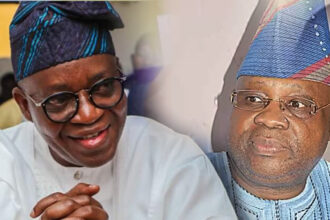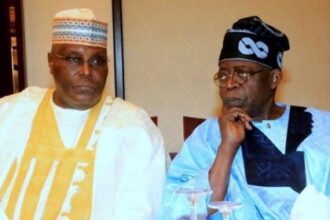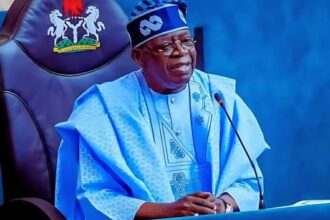
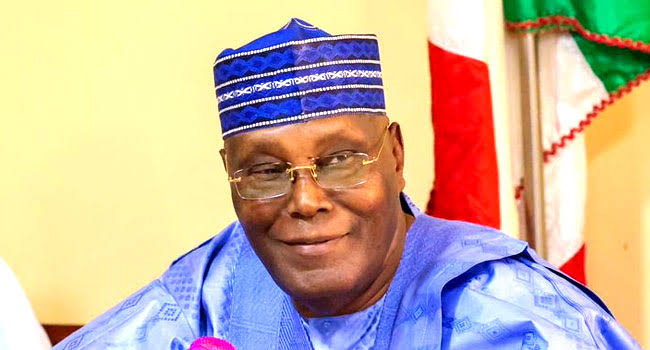
Atiku Abubakar, the former Vice President and presidential candidate of the African Democratic Congress, has publicly criticized the Bola Tinubu-led Federal Government for its decision to suspend an increase in registration fees for both the West African Senior School Certificate Examination (WASSCE) and the National Examinations Council (NECO) Senior School Certificate Examination. He argues that the reversal of the proposed fee hike, originally set at N50,000, highlights a disturbing trend of inadequate policy formulation from the government.
While welcoming the suspension after significant public backlash, Atiku contended that the policy should never have been proposed without substantial prior consultation with stakeholders. His statement, released by his Senior Special Assistant on Public Communication, Phrank Shaibu, termed the suspension a victory for parents, students, labor unions, civil society organizations, and other citizens who opposed the increase.
Atiku raised critical concerns about the government’s tendency to react only after encountering public outrage, questioning, “why must this government always wait for public outrage before correcting policies that should never have been conceived in the first place?” He emphasized that effective governance should involve consultation prior to decision-making, not merely responding to public dissent.
He pointed out that the planned increase in exam fees would further strain families already facing economic difficulties due to inflation, increased transportation costs, higher electricity tariffs, and diminished purchasing power. Atiku insisted that education should serve as a means of elevating individuals out of poverty rather than becoming a privilege for the wealthy.
The former Vice President acknowledged and commended various stakeholders—parents, teachers, labor organizations, student groups, and educational advocates—for their robust opposition, which he claims led to the government’s reversal. However, he urged the Federal Government to extend its efforts beyond merely suspending the proposed fee increase. He called for the development of a sustainable funding model for WAEC and NECO that would strengthen these institutions without imposing additional financial burdens on families.
Additionally, Atiku championed the concept of evidence-based policymaking, asserting that the government should prioritize dialogue and public consultation before acting. He criticized the government’s approach by stating, “A government that listens only after Nigerians cry out is a government that has stopped listening to the people it was elected to serve.”
As the 2027 general election approaches, he reflected on the broader implications of this policy misstep, suggesting that voters face a choice between an administration marked by “trial and error” and one built on governance experience and reliability. He concluded with a poignant reminder that Nigeria, a nation of significant importance, must not be governed like a laboratory for continuous experimentation. Effective leadership, he reiterated, is characterized by proactive engagement prior to action, thereby ensuring decisions that are well-informed and effective from the outset.
The suspension of the fee increase was officially announced by the Federal Government, which cited the necessity for broader consultations with relevant stakeholders including examination bodies, state governments, and parents’ associations. The Ministry of Education indicated that no fee changes would be implemented until the consultation process had been completed, asserting that the proposal had been based on rising operational costs for conducting public examinations, which include logistics, security, material printing, technological advancements, and quality assurance measures. Critics, however, robustly argued that any increase would exacerbate the existing barriers to education for children from low-income families during a time of pervasive economic challenge.