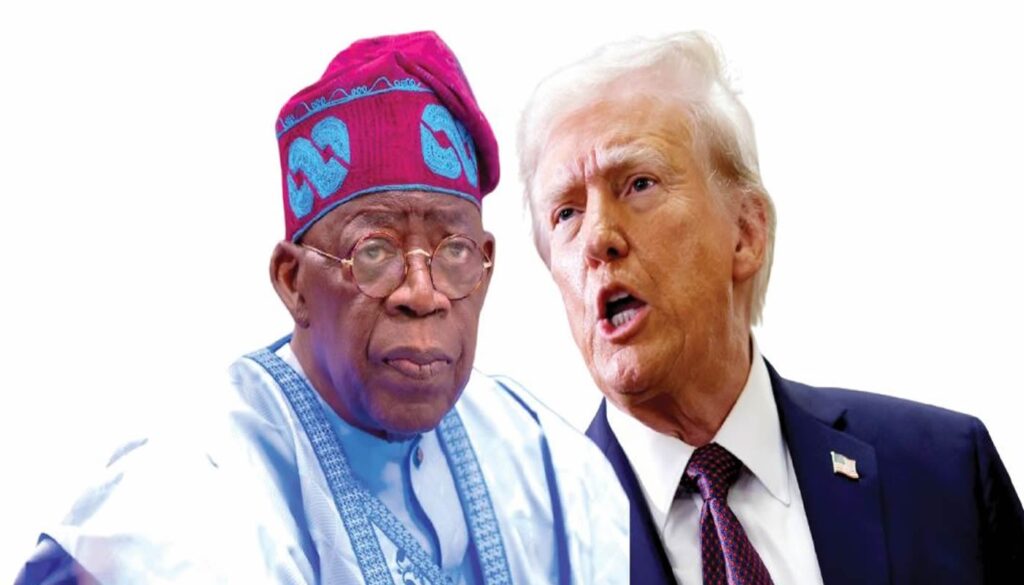
Twelve northern governors, traditional rulers, and judges in Nigeria face potential sanctions by the U.S. Congress related to accusations of complicity in what has been termed a “Christian genocide” and the systemic persecution of Christians under the country’s sharia and blasphemy laws. This follows President Trump’s designation of Nigeria as a “Country of Particular Concern” for religious persecution and his call for immediate investigations into the matter. The Nigeria Religious Freedom Accountability Act of 2025, backed by Senator Ted Cruz, proposes sanctions targeting public officials and religious authorities who are seen as enabling violence against Christians and minorities. This act builds upon earlier findings from December 2020, where the U.S. labeled Nigeria a “Country of Particular Concern” due to severe violations of religious freedom and threats from groups like Boko Haram.
Since the introduction of sharia law expanded in northern states in 2000, the bill aims to hold accountable those who promote or tolerate related violence through a report which must list implicated officials within 90 days of passage. Sanction measures may include visa bans and financial restrictions implemented under the Global Magnitsky Human Rights Accountability framework. Notably, objections to sharia law have risen as its presence extends, recently causing tensions in southern states like Oyo and Ogun.
The Nigerian Federal Government disputes claims of institutionalized persecution, asserting that Nigeria’s Constitution guarantees religious freedom and that sharia laws enacted in northern states are not uniformly applied to all citizens. It emphasizes that non-Muslims are exempt from sharia’s criminal provisions and that blasphemy laws do not exist at the federal level. The government also noted that public order laws, often mischaracterized as blasphemy laws, apply equally across religions and maintain constitutional safeguards for all individuals participating freely in governance and religious practices.