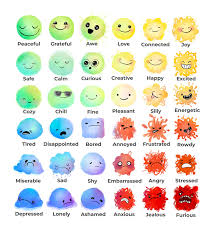
1. The Unspoken Language of Emotions
Most people walk around every day feeling something, yet not quite knowing what it is. You ask someone how they feel, and they say, “I’m fine.” But beneath “fine,” there could be frustration, worry, loneliness, or even quiet excitement.
Recognizing and naming emotions is like learning to read your own weather forecast, it tells you whether it’s time to dance in the rain, carry an umbrella, or seek shelter before a storm breaks. Until you name it, you can’t tame it.
2. Why Naming Your Emotions Matters
Psychologists call it “affect labeling.” It’s the process of identifying and putting words to your feelings, and it’s proven to reduce stress and calm your nervous system.
When you say, “I feel anxious,” your brain starts to distance itself from the chaos inside. You move from reacting emotionally to responding intelligently.
This simple act builds self-awareness, the very first pillar of emotional intelligence. Because once you can name how you feel, you can decide what to do about it.
3. The Step-by-Step Guide to Emotional Clarity
To recognize your emotions accurately, you must slow down and listen inward. Here’s how:
- Pause before reacting. When something happens, a message annoys you, someone ignores you, or you feel uneasy, pause. Don’t rush to fix or defend. Just breathe.
- Ask yourself: “What am I really feeling right now?”
Often, the surface emotion hides a deeper one. Anger might cover hurt. Sadness might mask disappointment. Excitement might disguise anxiety. - Use emotional vocabulary. Expand beyond “happy,” “sad,” or “angry.” Try words like “overwhelmed,” “disappointed,” “hopeful,” “lonely,” “grateful,” “ashamed,” or “curious.”
- Trace the trigger. What just happened? Who said what? When did the emotion start? Recognizing context helps you separate your feelings from the situation.
- Sit with the feeling. Don’t rush to escape. Sometimes, simply allowing yourself to feel brings understanding, and eventually peace.
4. Tools to Help You Name Your Feelings
- The Emotion Wheel – Developed by psychologist Robert Plutchik, it helps you find specific words for complex emotions. You can print one or keep it on your phone.
- ✍🏾 Journaling – Write daily reflections using prompts like: “Today I felt…… when…….” Over time, patterns will appear.
- 🎭 Body Awareness – Notice where emotions live in your body. Anxiety tightens the chest. Joy feels light. Anger heats your palms. The body speaks before the mind translates.
- Mirror Conversations – Speak your emotions out loud in front of a mirror: “I feel afraid,” “I feel hopeful,” “I feel unseen.” It may sound strange, but it builds emotional fluency and self-honesty.
5. The Reward of Emotional Accuracy
When you master the art of naming your emotions, you gain emotional clarity, a calmness that others feel around you. You begin to manage people, relationships, and conflicts better. You forgive faster, communicate clearer, and love deeper.
Recognizing your emotions doesn’t make you weak; it makes you wise. Because the real strength isn’t in suppressing how you feel, it’s in understanding it.
Every emotion is a messenger, not an enemy. Before you silence it, listen to what it came to teach you.