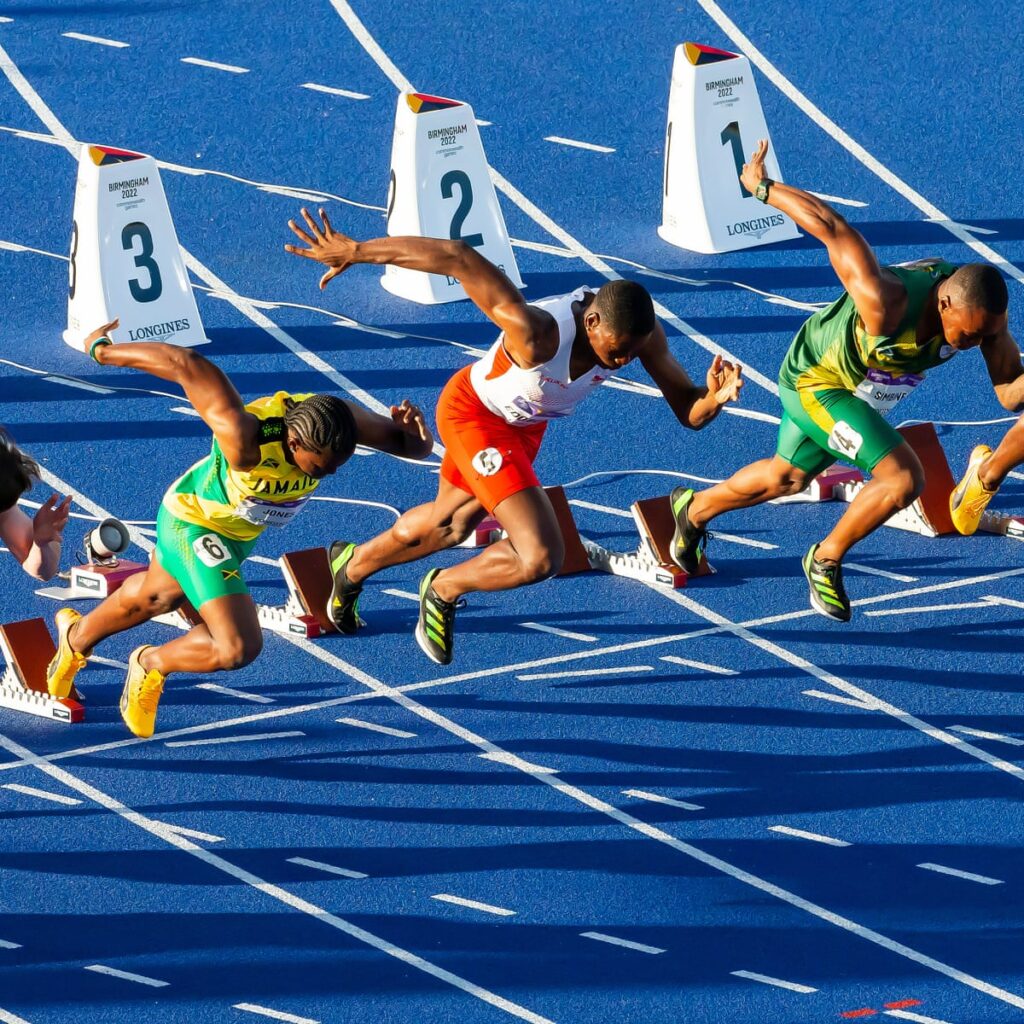
Nigeria has officially confirmed its readiness to host the 2030 Commonwealth Games, with President Bola Ahmed Tinubu signing a letter of guarantee to the Commonwealth Games Federation. This announcement has ignited excitement across the country and the African continent, as it marks the first time in history that Nigeria will stage one of the most prestigious multi-sport events in the world. The Games, which bring together athletes from over 70 nations and territories, will serve not only as a global showcase of athletic excellence but also as a statement of Nigeria’s growing influence on the international stage.
The decision to bid for the Commonwealth Games did not come lightly. Nigeria has, in recent years, been investing heavily in infrastructure, sports development, and hospitality, ensuring the nation has the capacity to host such a large-scale event. Venues across Lagos, Abuja, and Port Harcourt are being considered as potential hosts for various events, with plans to upgrade stadiums, transport systems, and athlete villages. Sports authorities believe the Games will serve as a catalyst for the revitalization of Nigerian sports, particularly athletics, swimming, and gymnastics fields where Nigerian athletes have shown great potential but often lack world-class facilities.
Beyond the sporting impact, the 2030 Commonwealth Games are expected to provide significant economic benefits. Experts project that the event will boost tourism, create thousands of jobs, and attract foreign investment into sectors such as construction, hospitality, and technology. The Games are also anticipated to highlight Nigeria’s vibrant culture, music, and art on a global platform, giving the nation an opportunity to tell its own story to the world. The hosting rights further align with the government’s vision of using sports as a tool for economic diversification and national branding.
However, challenges remain. Hosting an event of this magnitude requires strict adherence to international standards of security, logistics, and organization. Critics argue that Nigeria must address issues such as electricity supply, transportation networks, and political stability to ensure a seamless experience for visitors and athletes alike. Yet, the government has assured the public that lessons from past international events, including the FIFA U-17 World Cup and the African Games, will be applied to guarantee success. There is also an emphasis on involving private sector stakeholders to ensure transparency and sustainability.
Ultimately, Nigeria’s hosting of the 2030 Commonwealth Games is more than a sporting milestone, it is a statement of ambition. It presents an opportunity for the country to rewrite narratives, inspire the next generation of athletes, and cement its place as a global hub of talent, resilience, and culture. As the world turns its attention to Africa’s largest nation, the countdown to 2030 is not just about medals and records; it is about legacy, pride, and Nigeria’s journey toward becoming a true force in international sports and beyond.