
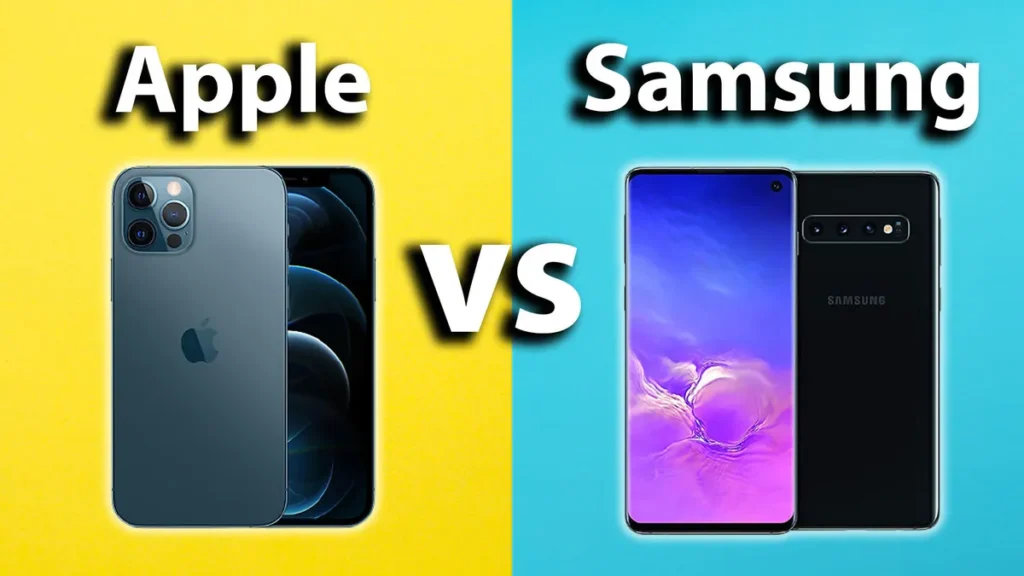
Apple’s iPhones run on iOS, known for its smooth, intuitive interface and consistent updates, offering a highly optimized experience, tight security, and seamless integration with other Apple devices. Samsung smartphones use Android with the One UI skin, offering more customization options than iOS.
Apple’s iPhones typically have a premium, minimalist design with high-quality materials like aluminum and glass, while Samsung offers premium designs, especially in its Galaxy S and Z series. Apple’s in-house A-series chips, such as the A16 Bionic, are known for their industry-leading speed and efficiency, ensuring consistent performance even on older models. Samsung’s flagship phones use either Qualcomm Snapdragon (e.g., Snapdragon 8 Gen 2) or Exynos chips (in some regions), often prioritizing multitasking and high-end gaming performance. Samsung’s RAM configurations are often higher than those of iPhones.
Apple’s camera quality is known for its consistent, natural-looking photos with accurate color reproduction, particularly in skin tones. Samsung’s cameras are often praised for their vibrant colors, advanced zoom capabilities, and versatile camera setups. Apple’s ecosystem is tightly integrated, offering seamless connections between devices, while Samsung has its own ecosystem (Galaxy Buds, Galaxy Watch, SmartThings) but is more open and can work well with non-Samsung devices. Samsung has improved its software support in recent years, now offering up to 4 years of major Android updates and 5 years of security updates for its flagship models.
Apple’s iPhones are generally more expensive but hold their value well over time, making them attractive for resale. Samsung offers a broader range of smartphones across various price points, from budget to premium. The choice between Apple and Samsung smartphones largely depends on user preferences. If you prioritize a seamless, well-integrated ecosystem with a focus on design, reliability, and long-term updates, Apple’s iPhones are a great option. On the other hand, if you value customization, cutting-edge hardware innovation, and more options across price ranges, Samsung offers greater flexibility.