1. Artistic Vision and Design
– Designed by Gustave Eiffel and his team, the Eiffel Tower is a masterpiece of engineering that was conceived with a clear aesthetic goal. Though initially criticized by artists and intellectuals for its unconventional design, the tower’s form has since been celebrated for its boldness and elegance.
– Its design combines functionality with artistic expression. The lattice structure not only allows for incredible height but also gives the tower a light, airy feel, showcasing the beauty of exposed ironwork.
2. Symbolism and Cultural Impact
– As an artistic symbol, the Eiffel Tower embodies the spirit of the Industrial Revolution and the embrace of new materials like iron. It represents the triumph of modern engineering and the move toward a new era in art and design.
– The tower’s iconic silhouette is one of the most recognizable in the world, transcending its original purpose to become a symbol of Paris, romance, and the avant-garde.
3. Art in Context: The Tower as a Canvas
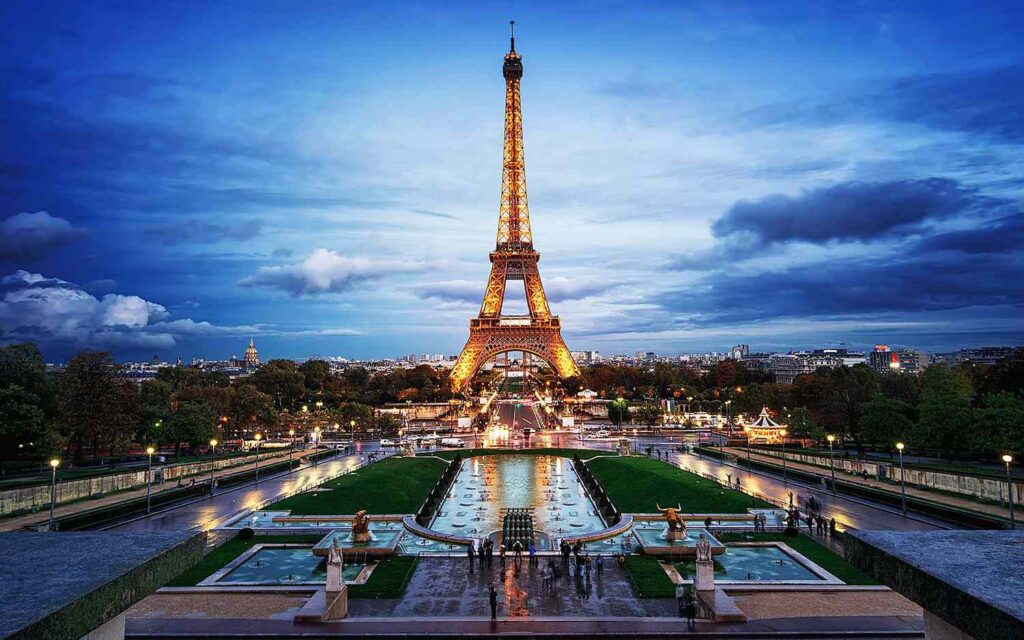
– Over the years, the Eiffel Tower has served as a canvas for various artistic expressions. Light shows, projections, and even temporary installations have turned the tower into a dynamic piece of contemporary art.
– For example, special occasions and events often feature artistic illuminations that transform the tower into a glowing beacon, blending technology with visual art.
4. Art Nouveau Influences
– The Eiffel Tower reflects certain elements of the Art Nouveau movement, which emphasized organic forms, curved lines, and a harmonious relationship between design and nature. The tower’s iron lattice structure, with its intricate patterns and sweeping arches, resonates with the flowing, ornamental style typical of Art Nouveau.
5. Inspiration for Artists
– The Eiffel Tower has inspired countless artists, from painters to photographers, sculptors, and filmmakers. Artists like Robert Delaunay and Marc Chagall incorporated the tower into their works, using it as a symbol of modernity and urban life.
– The tower’s constantly shifting appearance, depending on light, weather, and angle, makes it an endlessly fascinating subject for visual artists, capturing the dynamic relationship between art and the built environment.
6. Architectural Art
– Architectural critics often discuss the Eiffel Tower as a pioneering work that blurred the lines between pure functionality and aesthetic beauty. It is often compared to monumental sculptures, where the structure itself is an expression of artistic creativity.
– The interplay of form and function, the harmony of geometry, and the deliberate artistic choices in its design elevate it from a mere building to a celebrated piece of artistic architecture.
7. Global Artistic Influence
– The Eiffel Tower has had a profound influence on art and design globally. Its iconic form has been reinterpreted in countless ways in popular culture, fashion, advertising, and contemporary art. It is a source of inspiration for designers and architects exploring the artistic possibilities of structure.
The Eiffel Tower stands as a testament to how functional design can transcend into the realm of art, becoming an enduring symbol of creativity, culture, and the modern world.