
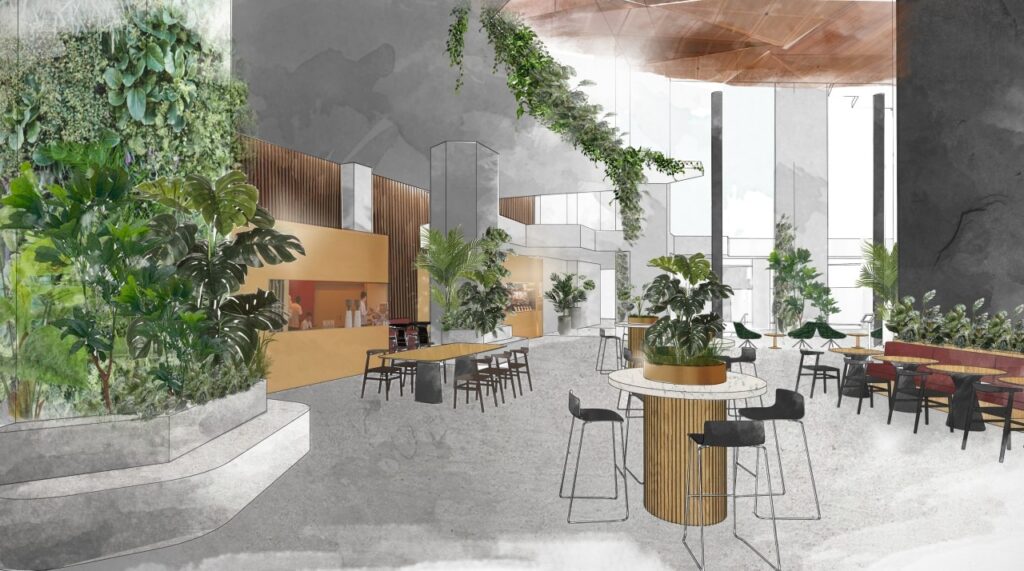
The integration of these concepts results in spaces that are not only healthier for individuals but also kinder to the planet. Biophilic design, energy efficiency, sustainable materials, and mindful practices are some of the key elements that are influencing wellness spaces.
Biophilic design incorporates natural elements like plants, natural light, water features, and organic materials into indoor spaces, improving mental well-being, reducing stress, and enhancing air quality while also promoting eco-friendly practices like using sustainable materials. Natural lighting and ventilation are essential for maximizing natural light and reducing energy consumption.
Sustainable materials and construction are also crucial in wellness spaces. These spaces are designed using sustainable, non-toxic materials like bamboo, reclaimed wood, and recycled metal, minimizing environmental impact while creating healthy indoor environments free from harmful chemicals. Low VOC paints and finishes are used in eco-friendly wellness spaces to reduce air pollution and prevent respiratory issues, supporting both human health and environmental sustainability.
Energy efficiency and green technology are also essential in wellness spaces. Renewable energy integration, such as solar panels, energy-efficient lighting, and smart thermostats, are commonly incorporated into eco-friendly wellness spaces, reducing carbon footprints and energy bills while maintaining a comfortable environment. Smart building systems can manage lighting, heating, and cooling efficiently, ensuring resources are used optimally while supporting comfort and wellness.
Water conservation and purification are also essential in wellness spaces. Water-efficient fixtures, water purification systems, and minimalist layouts promote mental wellness by reducing clutter and providing clean, healthy air.
Waste reduction and recycling are also important aspects of wellness spaces. Zero-waste design, upcycled décor, and community and connection to nature are common practices in eco-friendly wellness spaces. Outdoor wellness areas, community gardens, and shared green spaces promote biodiversity and collaboration.
Sustainable wellness practices include eco-friendly spa and fitness practices, holistic wellness programs, and circular economy principles. Wellness spaces prioritize locally sourced, sustainable products, reducing carbon footprints and supporting ethical supply chains.
In conclusion, the integration of wellness and eco-friendly principles is leading to spaces that prioritize both human health and environmental sustainability. By combining biophilic design, energy efficiency, sustainable materials, and mindful practices, these spaces offer holistic benefits, fostering well-being for individuals while caring for the planet.
#naijastreetmatters