
According to the case, which was published in the American Journal of Case Reports, the anonymous French patient complained of excruciating stomach pain when he went to his neighborhood emergency hospital.
The patient became upset and persisted in saying his pain had not decreased even after taking painkillers.
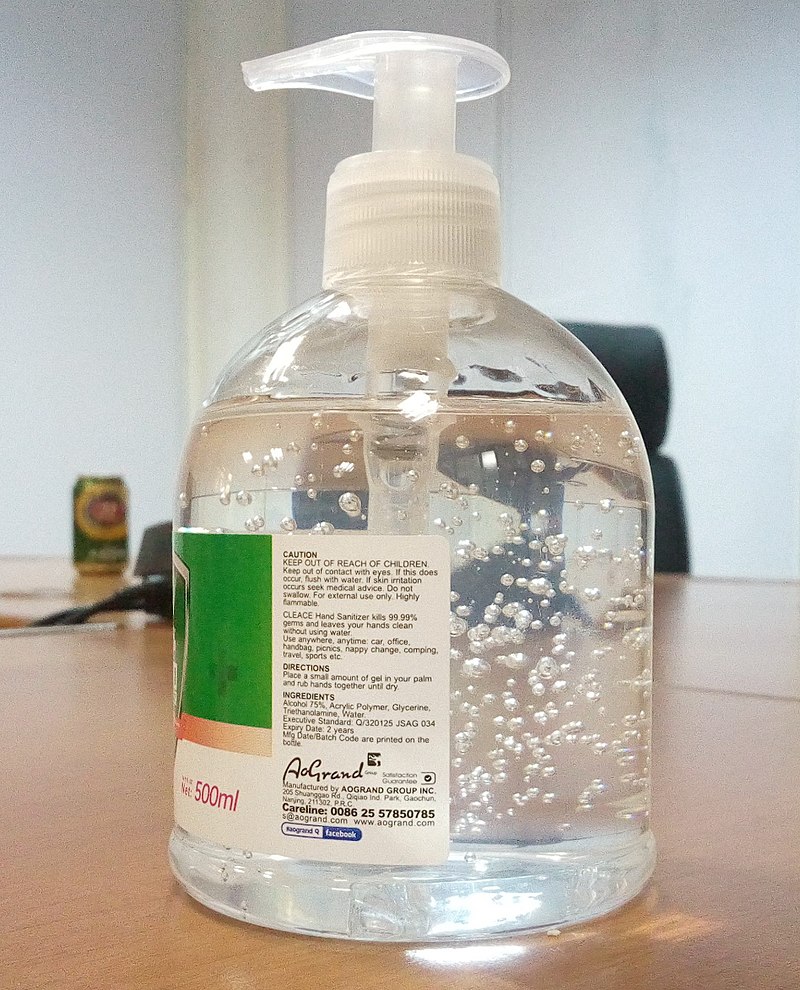
The patient’s roommate told a nurse that he had been stealing hand sanitizer bottles, keeping them in his suitcase, and drinking them during his stay, even after the physicians were unable to identify anything wrong with him.
Doctors searched his suitcase and discovered that he had eaten roughly 1.5 of the bottles of sanitizer.
The individual acknowledged that he was experiencing withdrawal symptoms from his addiction and had faked his pain in order to obtain the sanitizer.
Doctors noted that the patient was agitated and “occasionally verbally aggressive” when he first came in the emergency room.
Despite his ‘overall bad hygiene’ and slightly raised heart rate, they reported that his vital signs and abdominal exam were normal.
Despite receiving multiple IV drugs, including morphine for pain, he stayed agitated. Further medical professionals were consulted when the patient persisted in complaining of pain, and an abdominal scan was performed on him. This scan revealed that he had a fatty liver, which is frequently indicative of an alcohol use disorder, rather than any possible explanation for the pain.
A small elevation in liver enzymes, indicative of inflammation or injury to the liver, was found in his blood tests.
The patient’s treating physicians cautioned that because hand sanitizer became more accessible due to the Covid epidemic, especially in hospitals, there will likely be a rise in these kinds of instances.
The doctors stated that hand sanitizers are unquestionably vital instruments in the fight against infection, shielding both the user and bystanders.
“Maintaining a good hand hygiene policy while ensuring the safety of alcoholic patients within the ED is a major challenge.”
In order to hydrate the patient and lessen the toxicity from the alcohol, doctors gave him fluids and infusions of vitamins B1, B3, and B6. He was given a 24-hour observation period upon admission to the hospital.
Addiction specialists were reportedly referred to him upon his discharge.