
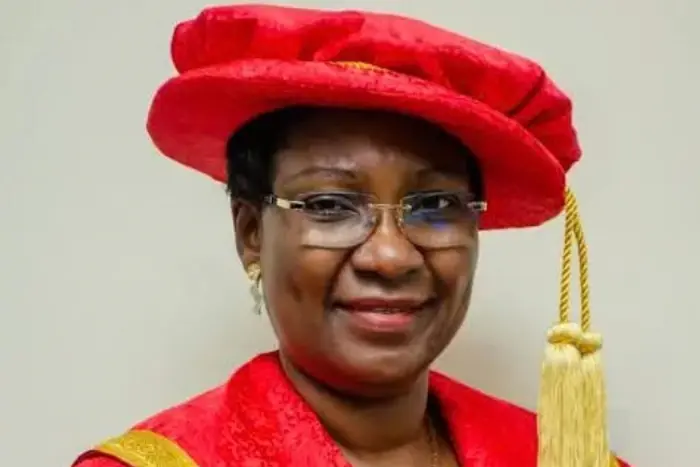
This proposal arises from her observations during her five-year tenure, which concluded on September 19, 2026. She noted that the increasing costs of university operations have rendered it challenging for institutions to rely solely on internally generated revenue.
During her administration, LASU’s revenue rose significantly from approximately ₦3 billion to ₦13 billion; however, Olatunji-Bello asserted that this increase is insufficient to cover the university’s financial obligations, particularly a monthly payroll exceeding ₦1 billion. She highlighted the discrepancy between secondary school fees—which can exceed ₦1 million per term—and the relatively low tuition fees of public universities, which she indicated can be around ₦100,000 annually. Consequently, she contended that public universities aiming for financial independence must implement substantially higher fees.
Olatunji-Bello also emphasized the necessity of investment in maintaining academic standards and urged parents to prioritize their children’s education expenses. Her ₦1 million tuition suggestion follows the federal government’s call for universities to seek alternative funding sources beyond tuition fees. Education Minister Maruf Tunji Alausa advised vice-chancellors to diversify their revenue streams, as reliance on government funding is insufficient for sustainability. The National Universities Commission highlighted that only four of Nigeria’s 68 federal universities effectively utilize available alternative funding opportunities such as research grants, alumni donations, and partnerships with industries.
Under Olatunji-Bello’s leadership, LASU expanded its revenue streams by introducing new academic programs, enhancing postgraduate education, and digitalizing services. Despite the proposed tuition increase, she asserted that LASU remains highly popular among university applicants, being the most applied-to institution in 2025 and maintaining that position in 2026. However, her proposal raises a critical concern regarding the affordability of public universities, as rising operational costs may conflict with the primary reason for their current reliance: providing accessible education to Nigerians.