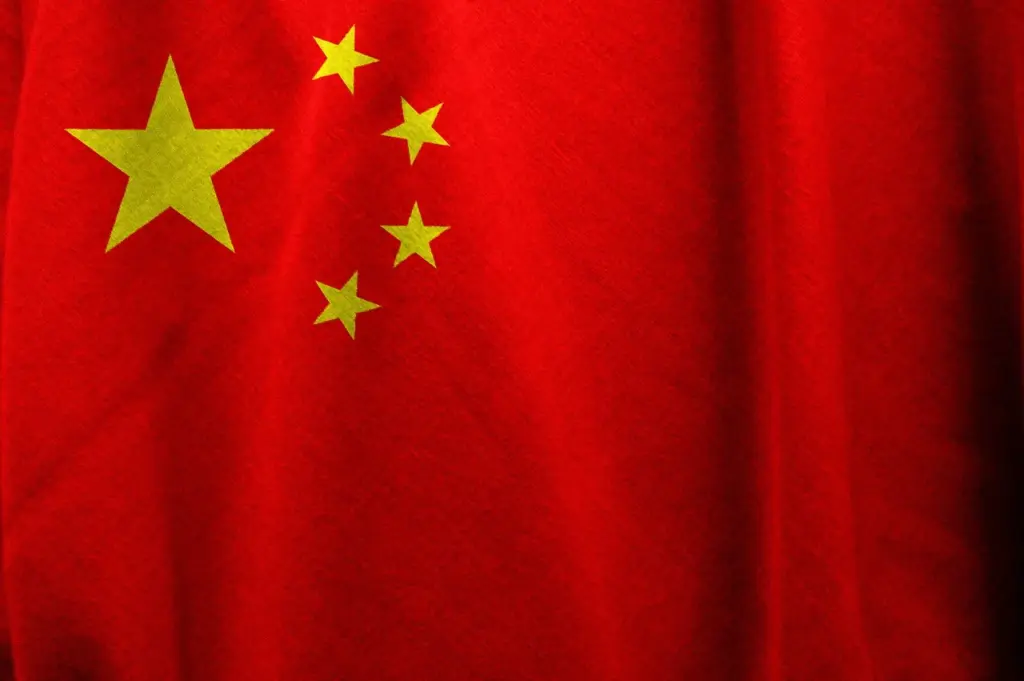
These allegations were reported by the Wall Street Journal, linked to missile strikes that Iran executed on July 17, which resulted in the deaths of three American soldiers. While unnamed American officials referenced the Chinese involvement, they did not implicate Beijing directly. Chinese Foreign Ministry spokesperson Guo Jiakun emphasized that the accusations were baseless and lacked evidence.
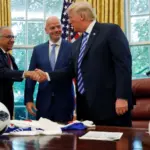
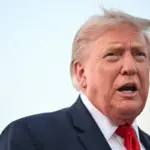
US President Donald Trump attempted to alleviate the situation by downplaying the reports, suggesting a reciprocal nature of intelligence operations between the United States and China. He stated, “You know, when they say that China spies on us, I say you’re right, and we spy on them too,” thus indicating that both nations engage in espionage.
Chinese officials have requested proof of the alleged transfer of satellite images, further denying any involvement of Chinese firms in supporting Iran. Trump’s administration has previously warned China against weapon sales to Iran and sanctioned three China-based satellite companies in May for facilitating Iranian military activities. Notably, China remains a significant economic ally of Iran, heavily reliant on Iranian oil. Despite the tensions, Trump commented on his relationship with Xi Jinping, suggesting a reasonable dynamic, while also expressing his opposition to Chinese automobiles entering the US market, attributing this to tariffs he imposed.