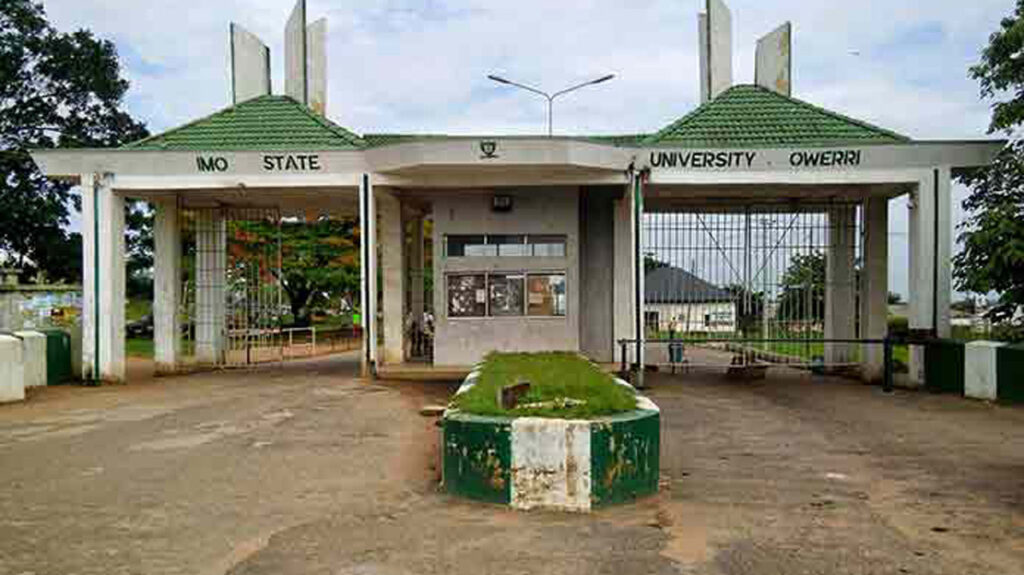
This declaration was made during a press conference on August 10, 2026, by Chairman Stephen Oguji and Secretary Lazarus Chikwendu, following unfruitful engagements with the university administration and the expiration of a 21-day ultimatum issued by the union.
The memorandum of understanding signed between ASUU and the Federal Government on December 23, 2025, was supposed to become effective on January 1, 2026. However, the union expresses that the continued inaction on these commitments only increases industrial tensions. Among the pressing grievances highlighted by the lecturers are the non-payment of promotion arrears since 2016, overdue salaries for several months, withheld check-off dues amounting to 21 months, and the non-payment of Earned Academic Allowance since 2009. Furthermore, the union criticized the university’s retention under the Treasury Single Account, viewing it as a detrimental impact on university autonomy.
The union reiterated that these grievances are longstanding; similar issues had prompted industrial actions in 2024, which were temporarily suspended following assurances from the management. Despite their commitment to their roles, ASUU-IMSU members feel that their welfare rights have been neglected, which is a source of deep disappointment.
ASUU-IMSU pointed out that the agreement has been implemented in certain state universities, including those in Bauchi, Ekiti, Ogun, Osun, and Sokoto, urging the Imo State Government to act swiftly to ensure compliance at IMSU. The union has called upon various stakeholders, including traditional and religious bodies, civil society, and student unions, to intervene and pressure the administration for a resolution. They stated their strong preference for dialogue as a means to resolve disputes but also affirmed that their commitment to peaceful negotiation does not equate to acceptance of ongoing neglect of their members’ welfare rights.