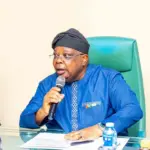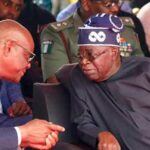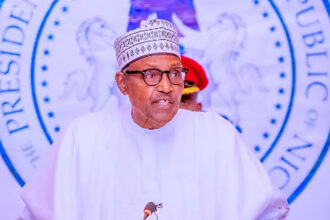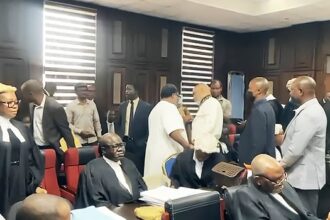
Femi Gbajabiamila, the Chief of Staff to the President and Chairman of the Presidential Working Group on the National Policing Bill, shared these updates during a briefing after a meeting at the Aso Rock Presidential Villa in Abuja.
The work program is established as a seven-week, milestone-driven project from July 27 to September 14, 2026, culminating in the presentation of the Executive Bill package on September 3. Gbajabiamila emphasized that the package will include a comprehensive suite of documents, such as schedules, an explanatory memorandum, a legal audit, and a risk register, among other elements.
He further stressed the importance of designing a lawful, professional, and sustainable federal and state policing system. This system aims to enhance capability and accessibility while maintaining national standards, ensuring national security, and protecting the rights of all Nigerians. Gbajabiamila clarified that the new operational legislation differs from the constitutional amendments already passed by the National Assembly, with the latter still pending approval from state Houses of Assembly.
Addressing the issue of state policing, Gbajabiamila cautioned against its potential misuse as a tool for political control, emphasizing that it should not devolve into a series of state militias. He insisted that no political officeholder should have the authority to manipulate law enforcement to suppress dissent or engage in selective law enforcement. Federal intervention, he noted, should be limited, evidence-based, and reviewable.
The public portal, which went live on Monday, provides an opportunity for all Nigerians to directly engage in the legislative process, allowing them to contribute their insights over a period of approximately two weeks, with possible extensions. Gbajabiamila refrained from discussing the estimated costs associated with the new policing framework, wanting to avoid speculative figures, while asserting that no cost would be too great to ensure the security of lives and property.