Picture two individuals at the threshold of a shared life, their hearts bursting with anticipation and their eyes full of promise, only to discover that “home” means completely different things to each of them. While one partner may find solace in busy family meals that last until the hours of the morning, the other may find tranquility in peaceful Sunday mornings spent reading a book. One was brought up in a world where raising one’s hand in disagreement is a sign of the urgency of love, while the other was brought up in a world where duty and the phrase “I respect you” might never be said. These are not only little eccentricities; rather, they are culturally shaped languages of the heart.
It can be like trying to grasp onto two rivers at once when there are cultural differences in a marriage. Misunderstandings may result from these, such as expecting verbal praise when your spouse shows you affection by cooking your favorite dish or subtly making repairs around the house. Both partners may worry, “Why don’t they just see me?” or “Am I not enough?” as a result of these incompatibilities. Without compassion and receptive hearts, this divide may widen into an insurmountable chasm.
Mixed-cultural couples frequently have to negotiate emotional minefields. Consider a marriage in which one was raised in a society where decisions are passed down through generations in the extended family, whereas the other values fiercely independent decision-making. Every choice becomes a compromise, such as how to celebrate holidays when customs differ so greatly and how to respect your parents’ wishes without sacrificing your own wants. Then there is outside pressure, such as casual comments from family members, bias that stings, or subliminal desires for “someone just like us” that you sense before you even say anything.
However, cultural differences present remarkable chances for growth rather than merely being obstacles. In ways that sameness cannot, they can draw us into ourselves and into one another. You can discover your partner’s soul by studying their routines. You find roots that go beyond your own when you take the time to question, “Why do we do this?” and listen to others without passing judgment. When your significant other tells you the rhythm of their early grocery markets or the meaning behind their mother’s laundry folding technique, you are learning patience.
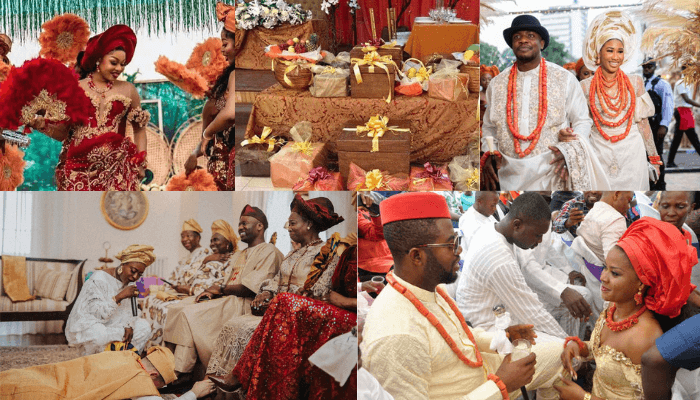
Hard facts are shown by statistics: multicultural marriages typically experience greater rates of dissolution. However, statistics don’t provide a complete picture. Because for those who embrace the labor, the rewards are enormous. These marriages frequently develop into environments that foster creativity and resiliency. Couples who combine the narrative of one with the directness of the other create a voice that is stronger than each one could have on its own. They develop new rituals when they combine different traditions. For example, they may light candles with prayers from one religion and bless the meal from another; they may invite both types of laughter and grief into their house.
Future generations benefit from this weaving of traditions as well since they are raised with a sense of belonging to multiple worlds and the ability to deal with diversity with ease. And there’s something incredibly touching about seeing a partner change from someone whose behaviors baffled you to someone who guides you and shows you the underlying beauty in the words, meals, and traditions you didn’t previously recognize.
It’s a difficult task. You’ll get lost. Sometimes, sharing a bed will make you both feel strange. These nights, however, have the potential to be pivotal. Perhaps it’s when you take the time to explain that during holidays, people recollect their family’s past or that “being polite” means something different in your home tongue. And two different worlds start to feel like home when your spouse asks to teach you something.
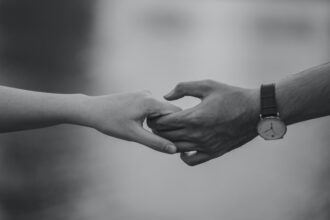
Marriage is ultimately about learning to dance—to grasp each other’s hand in stillness and laughter, to step around mistakes, and to tune into each other’s rhythms—rather than melting into one another. Cultural differences have the power to either unite or elevate you. Choosing love over fear, empathy over impatience, and questioning over presumption makes a difference.
That is how cultural differences truly affect marriage—not only as a challenge to conquer, but as a path to strengthen the bond and make it so complex and nuanced that reading about it once is never enough.