Artists like King Sunny Ade and Onyeka Onwenu were among the first to produce music videos that aired on Nigerian Television Authority (NTA) and other local stations. The videos were often shot in basic indoor settings or outdoor locations like gardens or parks, with little emphasis on high production values.
The advent of Nollywood (1990s – Early 2000s) marked a noticeable crossover between the Nigerian film industry and the music scene. Many music videos started to incorporate storytelling elements similar to Nollywood movies, with dramatic plots, actors, and dialogue segments. However, production quality remained relatively low due to limited budgets and access to advanced technology. Artists like Daddy Showkey, African China, and Remedies were prominent during this era.
The influence of hip-hop and Western culture (Early 2000s – Mid-2000s) marked a transition period, with Nigerian artists beginning to embrace flashier aesthetics, incorporating urban settings, luxury cars, and club scenes. Videos were still largely shot on modest budgets, but there was a growing emphasis on style, dance routines, and appealing visuals. Pioneering artists like 2Baba (then known as 2Face Idibia) and P-Square played key roles in this transition with their iconic videos like “African Queen” and “Bizzy Body.”
The emerging of Afrobeat and increased budgets (late 2000s – Early 2010s) led to global ambition and a level up in production quality. Artists like D’banj, Wande Coal, and Wizkid produced world-class videos that rivaled those of their Western counterparts in terms of quality. Directors like Clarence Peters, Sesan, and Moe Musa emerged as industry leaders, setting new standards for storytelling, cinematography, and creativity.
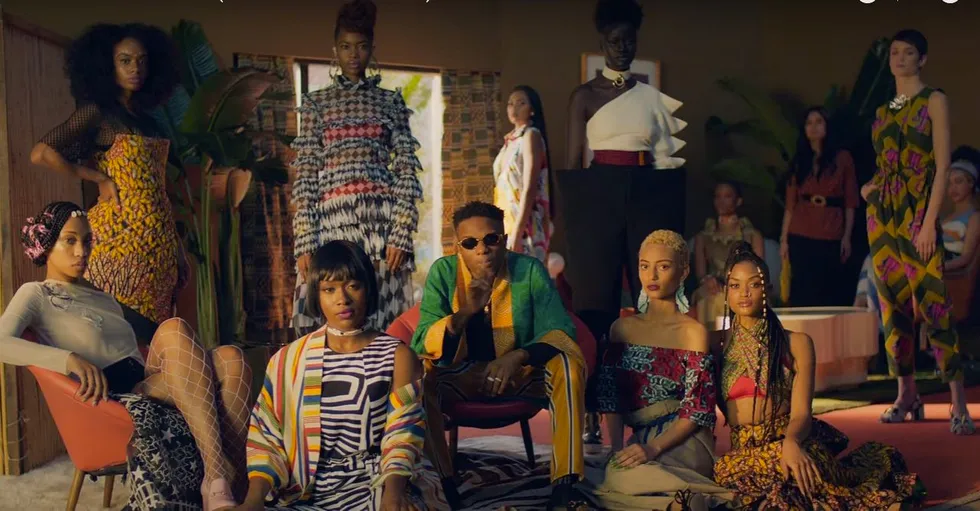
In recent years, there has been a growing focus on cultural identity and Afrofuturism in Nigerian music videos, with artists and directors embracing African heritage, incorporating traditional fashion, mythology, and symbolism into their visuals. Videos like Burna Boy’s “Ye” and “Monsters You Made” or Yemi Alade’s “Johnny” highlight this trend, showcasing African pride while pushing creative boundaries.
Nigerian music videos now regularly receive international recognition and awards, cementing Nigeria’s place on the global music map. The quality of music videos has reached a level where they are not only comparable to but also influential within global pop culture.