
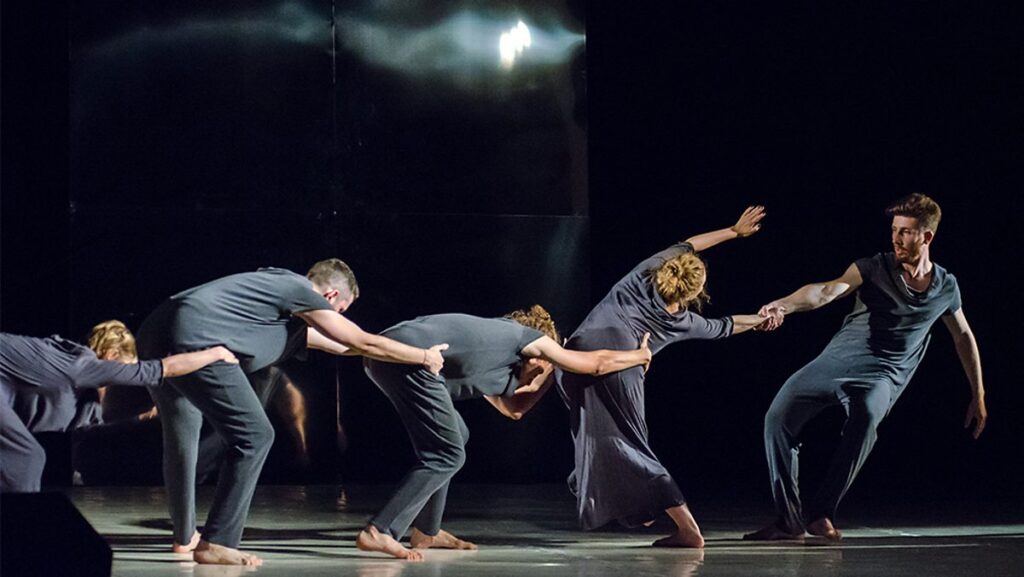
In theatre, character differentiation is essential for ensuring that characters resonate with the story’s setting, while in film, minimalistic acting is used to convey emotions authentically.
The style of acting helps capture and maintain the audience’s attention, with exaggerated gestures and vocal projection used in theatre to reach the back rows, and a more nuanced approach due to the intimacy of the medium in film. Understanding the stylistic requirements of each medium ensures that the performance is effective in engaging the audience.
Different acting styles can enhance thematic and tonal elements of a production, with melodramatic styles suitable for tragic plays and restrained, subtle styles for psychological thrillers. Cultural and historical accuracy is maintained in productions set in specific historical periods or cultures, with actors adopting specific mannerisms, speech patterns, or physical behaviors to reflect the time period or culture being portrayed.
Artistic expression is also a key aspect of acting stylistics, allowing actors to explore different methods of expression, pushing boundaries and experimenting with new forms of storytelling.
Theatre and film require different acting techniques due to their inherent differences. Theatre often demands a more physical and vocal presence, while film requires a more intimate and detailed approach. Understanding these differences is crucial for an actor to succeed in either medium.