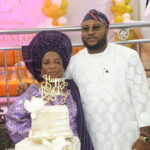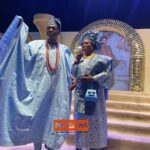

it is the lifeblood of the community, surrounded by the warm glow of kinship and the pulse of customs. Imagine families celebrating not just two people merging, but whole worlds entwining, as ancestors assemble under old baobab trees, the air heavy with drumming and joy. Marriage has been an art form influenced by ritual, anticipation, and collective memory all throughout the world, from the arid plains of the north to the verdant valleys of the south.
Marriage started out as a social bond even before the bustle of contemporary life. Elders in many places arranged pairings because they knew that a happy marriage would bring generations of tranquility. Gifts from the groom’s family would be given along the way, and customs like the Igbo “Igba Nkwu,” in which the bride searches the guests for the groom while holding a cup of palm wine, would strengthen the tie via symbolism and public observation. The expression “Na Gani Ina So” (I have found and I adore it) had a lifetime of significance in Hausa regions. It began with a respectful intention, progressed via parental blessings, and ended with a joyful celebration.
The winds of change then blew in!
Religion and colonialism introduced new concepts, demands, and customs. Western ideals and monogamous models promoted by Christian missionaries opposed the once-common practice of polygamy, where family life was defined by the extension of support networks and the inheritance of lineage. These factors encouraged adaptability rather than erasing tradition. These days, it’s not unusual to witness couples combining church weddings with customs passed down from ancestors: one recognizes cultural origins, the other makes spiritual promises.
While young people are now free to choose their own courses and prioritize love over planned relationships, family expectations still have a significant impact. Even today, a bride price can serve as a symbol of mutual commitment, respect, and worth. Communities come together. As a rite of passage, children look forward to this time. Every blessing repeated, every dance performed, and every tale shared are strands in an ever-expanding tapestry that connects the past and present.
Nowadays, weddings serve as more than simply personal bonds; they also serve to heal divisions across communities, tribes, and generations. Hopes for togetherness are spoken by interethnic couplings. Entire villages are still invited to feast, sing, and reaffirm their shared identity during ceremonies that used to span days. The greater meaning rests in those family glances, the laughing that riffles into the evening, and the tacit promise that tradition and the future can coexist here, at least, even while legal frameworks change to accommodate divorce, inheritance, and registration.
Nigerian marriage is dynamic, ever-changing, and based on human desire. It is as large as a public feast and as private as a murmured prayer.