Everyday things many take for granted are a struggle for them: light, data, water, good internet. Much of what they depend on comes from just one or a few big companies. They have little choice.
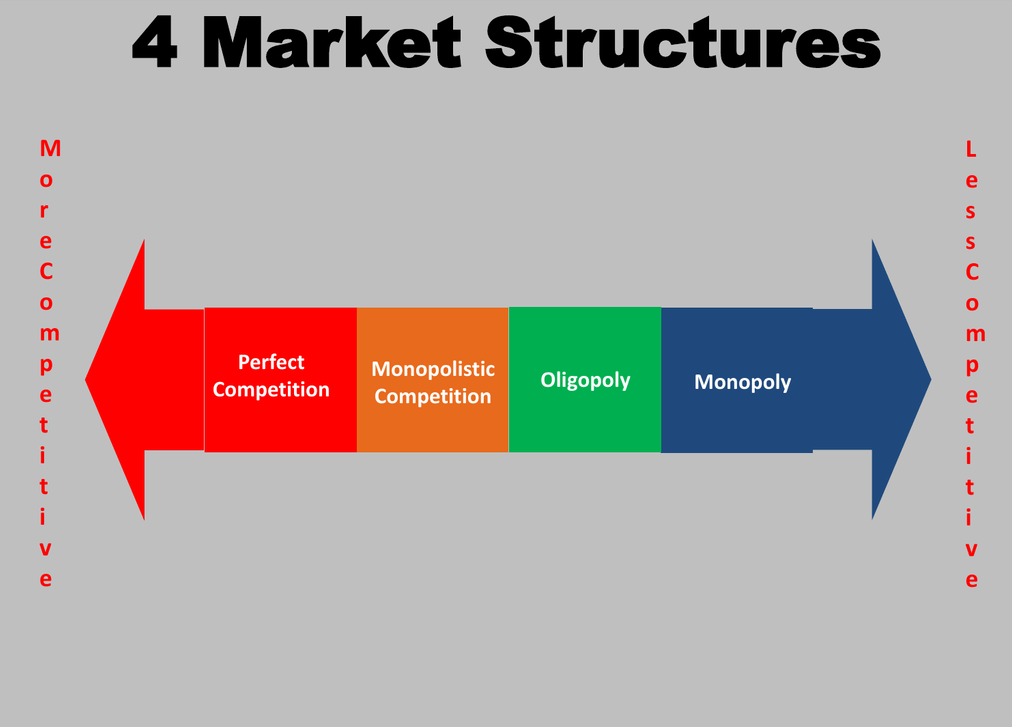
When the government privatized electricity years ago, the idea was that more players would come in, bring competition, lower costs, improve service. Instead, what happened was that the old giant (NEPA-style) got split, but the Distribution Companies (DisCos) still act like mini-monopolies in each area. Fisayo’s area has one DisCo; it’s the only one supplying her street. If that DisCo fails to deliver, if transformers are old, meters are delayed, or electricity just flickers off, she can’t switch provider.
Her bills climb. She’s often billed on estimate (they guess usage), not what she actually consumed. Sometimes she gets a huge charge with no explanation. Complaints are filed, but responses are slow, patchy. Sometimes her lecture stream lags, her laptop battery dies because she charged it overnight with generator petrol she had to buy — all because light was off for hours.
Ayomide, with his tailoring shop, has to run sewing machines. If electricity flickers, machines don’t work. He turns to generators — expensive fuel, loud noise, maintenance — just to keep customers happy. He factors these costs into his prices but still loses customers who can’t pay more.
Then there is data. A few big telecom giants dominate (telecom oligopoly). Each promises fast internet, good network, but often fall short. When it rains, network slows; during peak social media hours, data packs are cheap for a week, then suddenly expensive. If one operator lowers price, others quickly adjust. New smaller operators struggle to gain ground — they lack infrastructure, funding, or licenses. So choices remain limited.
At times, there’s a new law, a new regulation, or someone saying DisCos should install more prepaid meters, improve supply, be more transparent. Promises are made. But old wires, corrupt practices, lack of enforcement and funding mean people still pay for power they never receive, they endure blackouts, they buy generator fuel, they pay high data costs, slow speeds, dropped calls.
They feel stuck. Fisayo wonders whether it’s possible things could be different — more reliable power, fairer billing, cheaper internet, genuine competition. Ayomide hopes for fewer power cuts so his sewing business isn’t disrupted.
All this wraps up into a subtle burden: when essential services are dominated by a few, when consumers can’t switch, when infrastructure is weak, cost of living creeps up, frustration builds. People pay in cash, in time, in stress.