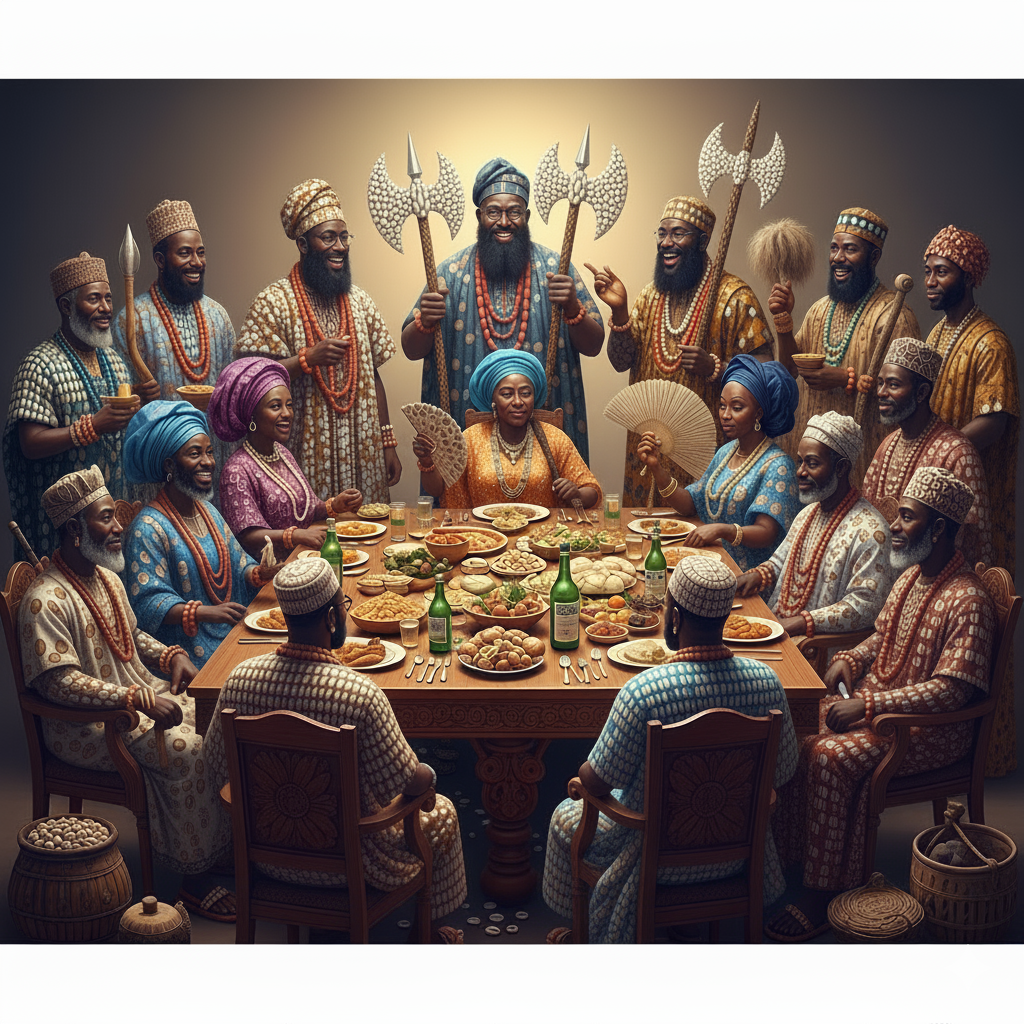
The Yoruba people of West Africa, particularly Nigeria, hold one of the richest spiritual traditions in the world. At the heart of their belief system is Olódùmarè, the Supreme Being, alongside a vibrant pantheon of gods, goddesses, and spirits known as Òrìṣà. Each deity governs specific aspects of existence from creation and destiny to love, war, rivers, thunder, and wisdom. These gods embody the philosophy that divinity dwells in all things, bridging the natural and the supernatural.
- 1. Olódùmarè – The Supreme Creator
- 2. Orúnmìlà – The God of Wisdom and Divination
- 3. Èṣù (Eshu) – The Divine Messenger
- 4. Ògún – The God of Iron and War
- 5. Ṣàngó (Shango) – The God of Thunder and Lightning
- 6. Ọya – The Goddess of Winds and Transformation
- 7. Yemoja (Yemọja) – The Mother of Waters
- 8. Ọ̀ṣun (Oshun) – The Goddess of Love and Beauty
- 9. Obà – The Goddess of Loyalty and Marriage
- 10. Ọbàtálá – The God of Purity and Creation
- 11. Òsanyìn – The God of Herbal Medicine
- 12. Olókun – The God of the Deep Ocean
- 13. Erinlẹ̀ – The God of Hunters and Abundance
- 14. Ọṣọ́ọ̀sì – The God of Justice and the Hunt
- 15. Ajé – The Goddess of Wealth
- 16. Sòpòná (Ṣọ̀npọ̀nná) – The God of Smallpox and Disease
- 17. Ọbalúayé – The God of Healing and Earthly Diseases
- 18. Ìbejì – The Divine Twins
- 19. Egúngún – The Ancestral Spirits
- 20. Ayélalá – The Goddess of Justice and Retribution
1. Olódùmarè – The Supreme Creator
Olódùmarè is the all-powerful, eternal, and formless God of the Yoruba people. Unlike other Òrìṣà, Olódùmarè is not worshipped through shrines or rituals but revered as the source of life, the breath in humanity, and the architect of destiny. He governs àṣẹ the divine energy that makes creation and existence possible.
2. Orúnmìlà – The God of Wisdom and Divination
Orúnmìlà is the custodian of wisdom and destiny. Through Ifá divination, he reveals the past, present, and future to guide humanity. Priests known as Babaláwo serve him, interpreting sacred verses (Odu Ifá). He is considered second only to Olódùmarè in authority.
3. Èṣù (Eshu) – The Divine Messenger
Èṣù is the trickster, mediator, and divine messenger between humans and gods. Known for testing mortals, he embodies duality chaos and order. Offerings are always given to him first so that prayers can reach other gods. He represents chance, destiny, and unpredictability.
4. Ògún – The God of Iron and War
Ògún is the fiery warrior, patron of blacksmiths, hunters, and soldiers. He wields iron as both weapon and tool, symbolizing strength, industry, and justice. Without Ògún’s blessing, no oath or covenant holds power.
5. Ṣàngó (Shango) – The God of Thunder and Lightning
Ṣàngó, a historical Alaafin (king) of Oyo, became deified as the god of thunder. Known for his fiery temper, he hurls thunderbolts at liars and wrongdoers. He is celebrated in festivals filled with drumming, dance, and fire rituals.
6. Ọya – The Goddess of Winds and Transformation
Ọya, the powerful wife of Ṣàngó, commands winds, storms, and rivers. She symbolizes change, transition, and rebirth. As guardian of the cemetery gates, she mediates between life and death.
7. Yemoja (Yemọja) – The Mother of Waters
Yemoja is the nurturing goddess of rivers and motherhood. Seen as the protector of women and children, she embodies fertility, healing, and unconditional love. She is often depicted as the great mother of many Òrìṣà.
8. Ọ̀ṣun (Oshun) – The Goddess of Love and Beauty
Ọ̀ṣun, the enchanting river goddess, is associated with love, wealth, fertility, and feminine power. Known for her beauty and generosity, she balances power with gentleness. Her annual festival in Osogbo, Nigeria, attracts pilgrims from around the world.
9. Obà – The Goddess of Loyalty and Marriage
Obà, another wife of Ṣàngó, is the goddess of marital devotion and sacrifice. Though often overshadowed by Ọya and Ọ̀ṣun, she represents the resilience and suffering of women in relationships.
10. Ọbàtálá – The God of Purity and Creation
Ọbàtálá is the father of humanity, chosen by Olódùmarè to mold humans from clay. He is the deity of purity, peace, and justice. Albinos are considered sacred children of Ọbàtálá.
11. Òsanyìn – The God of Herbal Medicine
Òsanyìn governs healing and the secrets of plants. Herbalists invoke his name when using roots, leaves, and herbs. He represents the power of nature as a healing force.
12. Olókun – The God of the Deep Ocean
Olókun rules the mysteries of the sea, symbolizing wealth, prosperity, and unfathomable secrets. He is believed to control ocean tides and treasures hidden beneath the waves.
13. Erinlẹ̀ – The God of Hunters and Abundance
Erinlẹ̀ is revered as a hunter, healer, and provider. Associated with rivers and fertile lands, he ensures food and abundance for communities.
14. Ọṣọ́ọ̀sì – The God of Justice and the Hunt
Ọṣọ́ọ̀sì is the divine hunter and archer. He represents precision, balance, and fairness. Worshippers turn to him for guidance in truth-seeking and justice.
15. Ajé – The Goddess of Wealth
Ajé embodies economic power, trade, and prosperity. She blesses market women, entrepreneurs, and those who work for financial success.
16. Sòpòná (Ṣọ̀npọ̀nná) – The God of Smallpox and Disease
Sòpòná is both feared and respected as the deity of illness and healing. His powers remind humanity of the thin line between health and plague. Priests of Sòpòná are often healers who prevent outbreaks.
17. Ọbalúayé – The God of Healing and Earthly Diseases
Closely linked to Sòpòná, Ọbalúayé governs chronic illnesses and healing rites. He wears raffia to hide his diseased body but blesses followers with health and recovery.
18. Ìbejì – The Divine Twins
Ìbejì are twin deities representing duality, joy, and protection. Yoruba culture regards twins as sacred, and their worship brings prosperity and harmony.
19. Egúngún – The Ancestral Spirits
Egúngún are not gods but powerful ancestral spirits honored through masquerades. They represent lineage, continuity, and ancestral blessings.
20. Ayélalá – The Goddess of Justice and Retribution
Ayélalá is invoked to punish liars, thieves, and wrongdoers. Known for instant justice, she is both feared and revered as a protector of truth.