Food is meant to nourish, comfort, and bring people together. Yet, in moments when it is poorly handled, contaminated, or left exposed, that same source of life can become a silent threat which is food poisoning. For many Nigerian families, the experience is familiar: a child waking up in the night with stomach cramps after eating street snacks, or an adult rushing to the restroom after a party meal. Food poisoning can affect anyone, regardless of age, but its effects are often more dangerous in children, the elderly, and those with weakened immune systems. Recognizing it early can make all the difference between a passing discomfort and a medical emergency.
The signs are usually the body’s way of saying, “Something is wrong.” Symptoms often include nausea, vomiting, diarrhea, stomach cramps, fever, dehydration, and sometimes dizziness. In children, watch out for unusual fussiness, refusal to eat, dry lips, or a sudden drop in energy. For adults, persistent vomiting, watery stools, or sharp abdominal pains are red flags. Causes range from eating undercooked meat, drinking contaminated water, consuming leftover meals that weren’t refrigerated, or buying food from unhygienic vendors. Even fresh fruits and vegetables can be culprits if they are not properly washed.
When food poisoning strikes, home first aid can provide relief while monitoring the situation. For mild cases, rest is crucial, let the stomach settle. Keep hydrated with clean water, oral rehydration solution (ORS), or homemade salt-sugar solutions to replace lost electrolytes. Ginger tea, rice water, or clear broth can soothe the stomach and ease nausea. In children, small sips of fluid at frequent intervals are better than forcing large amounts. It is important to avoid spicy, oily, or heavy foods until the body recovers. These simple remedies, often passed down in families, remain lifesavers when used correctly.
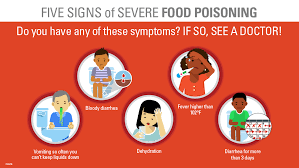
But not all cases should be treated at home. If symptoms persist beyond 48 hours, or if there is severe dehydration, high fever, blood in stool, or inability to keep fluids down, a doctor should be consulted immediately. For infants, any prolonged vomiting or diarrhea is already an emergency because their bodies lose fluids faster than adults. Hospitals can provide IV fluids, antibiotics when necessary, and professional monitoring to prevent complications. Ignoring severe signs can lead to kidney damage, lasting health issues, or even death in vulnerable cases.
Ultimately, food poisoning reminds us of the delicate balance between what sustains us and what endangers us. Families can prevent it by practicing safe food handling: washing hands before meals, storing leftovers properly, cooking meat thoroughly, and being mindful of where food is purchased. Yet, even with the best precautions, accidents happen. What matters most is awareness, knowing when to use home remedies and when to seek urgent care. In a society where food is central to celebration and survival, protecting our tables from hidden dangers is not just about health, it is about safeguarding the joy and trust that food is meant to bring.