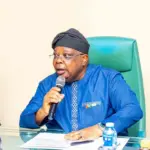
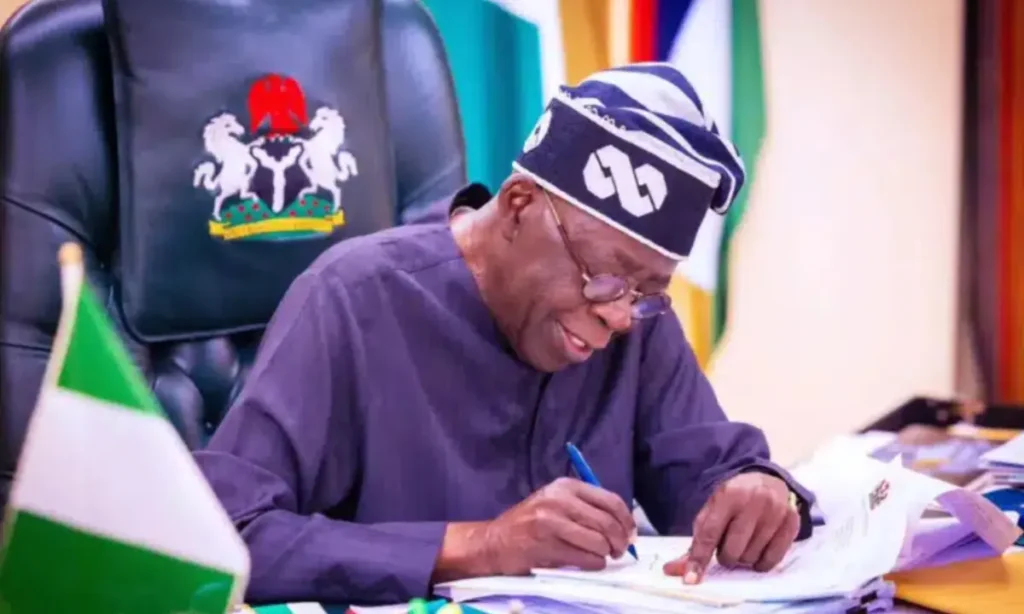
President Bola Ahmed Tinubu has officially extended the tenure of Comptroller‑General Bashir Adewale Adeniyi of the Nigeria Customs Service (NCS) by one year, pushing his mandated exit from August 31, 2025, to August 2026.
Why the Extension?
According to Special Adviser on Information Bayo Onanuga, the extension aims to ensure continuity in key strategic initiatives including:
-
The modernisation of the Nigeria Customs Service,
-
The roll‑out of the National Single Window Project,
-
Meeting Nigeria’s AfCFTA obligations.
President Tinubu praised Adeniyi’s leadership and expressed confidence that this will further strengthen the NCS in trade facilitation, revenue generation, and border security.
A Contested Move
The extension hasn’t been accepted without question. Rights activist Dr. Bolaji Akinyemi has filed suit in Federal High Court, challenging the legality of extending Adeniyi’s tenure. The suit argues the extension conflicts with the Nigeria Customs Service Act, 2023, and may violate fundamental rights—especially for career officers seeking upward mobility.
Critics warn such moves risk undermining institutional norms. A recent commentary pointedly questioned whether this sort of presidential discretion may set a pattern of favoritism over fairness, particularly in light of ongoing reform rhetoric.
Why It Matters
-
Reform vs rule: Allowing officeholders to overstay could hamper transparency and meritocracy within sensitive agencies.
-
Policy completion: By retaining Adeniyi, the government signals intent to see through modernization projects to completion.
-
Institutional integrity: Legal challenges highlight concerns that extending tenure to select individuals weakens succession planning and morale across service ranks.
Final Takeaway
In Tinubu’s view, continuity equals confidence — ensuring ongoing reforms aren’t disrupted by leadership gaps. But to opponents, extended tenures risk eroding procedural integrity and fuel perceptions of executive overreach. As both reform projects and lawsuits unfold, the legacy of this extension may test Nigeria’s ability to balance institutional mandates with personal discretion.