
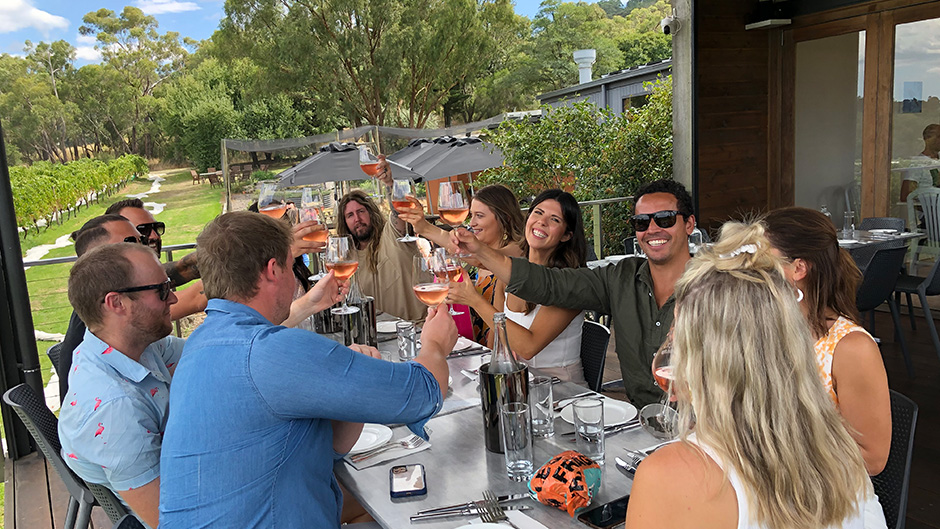
Furthermore, a broad variety of interests and tastes are catered to by food and wine trips. Every palate may be satisfied, with options ranging from simple winery tastings to Michelin-starred gourmet dining experiences. Foodies and non-foodies alike will find these tours interesting because of their adaptability and desire to add a special touch to their vacation.
The Role of Hospitality in Food and Wine Tours
A key component of the success of wine and culinary excursions is hospitality. These excursions go beyond simple dinners or tastings to become unforgettable experiences thanks to the high caliber of service, meticulous attention to detail, and customized experiences. Travelers’ understanding of the cuisine and wine, as well as the culture and history of the area, is enhanced by the stories and insights that tour guides, chefs, and hosts frequently provide.
Food and wine tours frequently provide chances to engage with the community, including meeting the farmers, winemakers, and chefs that provide the ingredients. These intimate ties deepen the experience and leave enduring impressions. The hotel sector has created experiences that focus on interacting with the people and locations behind the products in addition to eating and drinking, in response to the increased demand for these excursions.
Popular Destinations for Food and Wine Tours
Some parts of the world are well known for their wine and food tours, which entice visitors with the prospect of wonderful dining experiences. For instance, Tuscany in Italy is well-known for its undulating vineyards, rustic dining, and olive trees. Visitors can take advantage of farm-to-table restaurants that feature the area’s seasonal vegetables, cooking workshops that teach the skill of making pasta, and wine tastings at historic estates.
Wine lovers can take tours of some of the most renowned vineyards in the world in the Bordeaux and Burgundy regions of France. Enjoy a culinary journey when you pair these wines with regional cheeses, breads, and charcuterie.
Food tours that highlight street food, local delicacies, and traditional cooking methods are available in Asian countries like Thailand and Japan. These trips frequently involve trips to local markets, where guests can view the colorful ingredients that go into the food and even have a go at cooking under the supervision of local chefs.
The Impact on Travel and Hospitality
Travel and the hospitality sector have been greatly impacted by the growth of food and wine tours. By encouraging visitors to venture beyond the typical tourist destinations, these excursions frequently promote tourism in certain areas. In addition, they help small-scale producers, showcase regional goods, and uphold culinary customs to encourage sustainable tourism.
In order to stand out in a crowded market, hospitality operators might consider providing food and wine tours. As a result, they are able to craft distinctive experiences that draw in a specialized group of gourmets. Also, since tourists want to sample more of a region’s culinary delights, these tours frequently result in return visits.
Finally, combining the joys of dining and drinking with the welcoming atmosphere of a destination, food and wine tours provide an extensive and immersive travel experience. These tours, which provide travelers with lifelong memories and a greater understanding of the world’s varied food cultures, are expected to continue to be a popular kind of travel as long as interest in culinary tourism persists.
#naijastreetmatters
To see more of our content, like, comment, and subscribe