The ancient city of Oyo is preparing to once again roar with energy as the 2025 edition of the World Ṣàngó Festival kicks off on August 10, celebrating one of the most iconic deities of the Yoruba pantheon Ṣàngó, the god of thunder and lightning. Once a formidable Alaafin of the Oyo Empire, Ṣàngó is believed to have transformed into an orisha after a mysterious death shrouded in lightning and myth.
His story has transcended borders, traveling through the Atlantic with enslaved Africans to the Americas, where Ṣàngó is still worshipped in Brazil, Cuba, and Trinidad under names like Xangô and Changó. What began as a traditional religious ceremony has grown into a global cultural phenomenon now rebranded as the World Ṣàngó Festival, drawing thousands of international tourists, culture lovers, researchers, and spiritual practitioners every year.
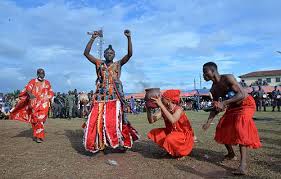
The festival begins on the eve of the Yoruba Traditional New Year and spans ten days filled with dance, drumming, chants, divination, storytelling, and deeply symbolic rituals. Events include Ogun Ajobo Day (honoring iron and labor), Oya Day (celebrating Ṣàngó’s companion), and Sango Oyo Day, where thunderous bata drum performances and dramatic re-enactments bring ancestral history alive.
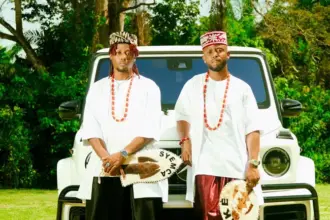
Devotees dress in fiery reds and whites, adorned with beads and cowries, paying homage through sacred fire dances, masquerade parades, and the spiritual board game “Ayo.” The event begins with Iwure Agba, an ancient prayer ritual performed by palace elders, believed to cleanse the land and open spiritual pathways for celebration. More than a spectacle, the festival is a portal into Yoruba cosmology and heritage.
This year’s festival is led by a dedicated committee inaugurated by the Oyo State Government. Chief Olayinka Adedeji, General Manager of the Cultural Centre in Ibadan, chairs the committee, with Dr. Paula Gomes, a Brazilian cultural ambassador and close associate of the late Alaafin, serving as co-chair. Oversight and coordination fall under the purview of Dr. Wasiu Olatunbosun, Oyo State’s Commissioner for Culture and Tourism. Since UNESCO inscribed the festival on its list of Intangible Cultural Heritage in 2023, planning has intensified.
Local and international sponsors have been approached, security and logistics strengthened, and global cultural observers including scholars, Yoruba diaspora leaders, and media houses have confirmed their attendance. This year’s edition also bears the vibrant imprint of the newly installed Alaafin of Oyo Oba Abimbola Akeem Owoade, whose youthful energy and progressive outlook have infused the event with a fresh sense of inclusion. A key focus this year is youth participation and digital engagement, with plans to livestream major events to a global audience.
Culturally, the Ṣàngó Festival is more than an annual calendar event, it is a communal act of remembrance and identity. It reconnects generations to their roots and allows African spirituality to thrive outside colonial shadows. Economically, the event transforms Oyo into a bustling hub of cultural tourism, benefiting local artisans, fashion designers, drummers, hotels, vendors, and transportation services. The state government sees it as a strategic soft power tool, leveraging tradition for global visibility and inward investment. The festival not only sustains ancient rituals but repositions Yoruba culture on the world map, affirming that tradition and progress can walk hand in hand.
In the heartbeat of bata drums and the swirling of ancestral costumes, the Yoruba people continue to proclaim: Ṣàngó lives on, not just in thunder, but in the unshakable pulse of culture itself.